
Located in the center of Rome, Vatican City is the smallest autonomous state in the world and has an unmatched charm. For more than a millennium, this hallowed enclave, which serves as the administrative and spiritual hub of the Roman Catholic Church, has represented faith, authority, and secrecy. Only a small number of people are aware of the secrets hidden behind the Vatican's walls, despite the fact that millions of pilgrims and visitors visit it every year.
There is a wealth of undiscovered tales hidden beneath the surface of this famous city-state that will astound you. Are you prepared to explore the mysterious core of the Holy See? Now let the unveiling start!
Recommended tickets to the Vatican
1. The Secret Archives

The Vatican Secret Archives, which are home to centuries-old historical archives, contain materials that are absolutely off-limits to the general public, giving room for conjecture about what historical realities they might contain.
2. The Borgia Apartments

These luxurious rooms, which are tucked away inside the Vatican Palace, are decorated with gorgeous murals and are rumored to feature secret tunnels that the notorious Borgia family utilized.
3. The Unpublished Michelangelo Works

The famous Renaissance artist Michelangelo covertly produced a number of incomplete and unpublished pieces that are hidden in the Vatican's enormous art collection.
4. The Catacombs of Saint Callixtus

A system of catacombs that were used as early Christians' graves and preserved valuable artifacts and prehistoric frescoes can be found deep beneath the Vatican.
5. The Passetto di Borgo

The Vatican and Castel Sant'Angelo are connected by a small, reinforced tunnel that gives popes a covert escape path in an emergency.
6. The Pinecone Courtyard

This tranquil patio, hidden inside the Vatican Museums, is home to historic antiquities, such as the renowned enormous bronze pinecone figure.
7. The Secret Confessionals

Legends speak of hidden chambers where popes confessed their sins anonymously to ensure the sanctity of their position.
8. The Vatican's Independent Time Zone

Vatican City operates on its time zone, ensuring that the timing of important events aligns with the Holy See's schedule.
9. The Vanishing Obelisks

From some perspectives, some of Vatican City's obelisks appear to disappear, an architectural wonder that has not yet been properly explained.
10. The Illuminati Influence

Conspiracy theorists believe that the Vatican's architecture and art contain hidden symbols and signs of the mysterious Illuminati.
11. The Templar Treasure
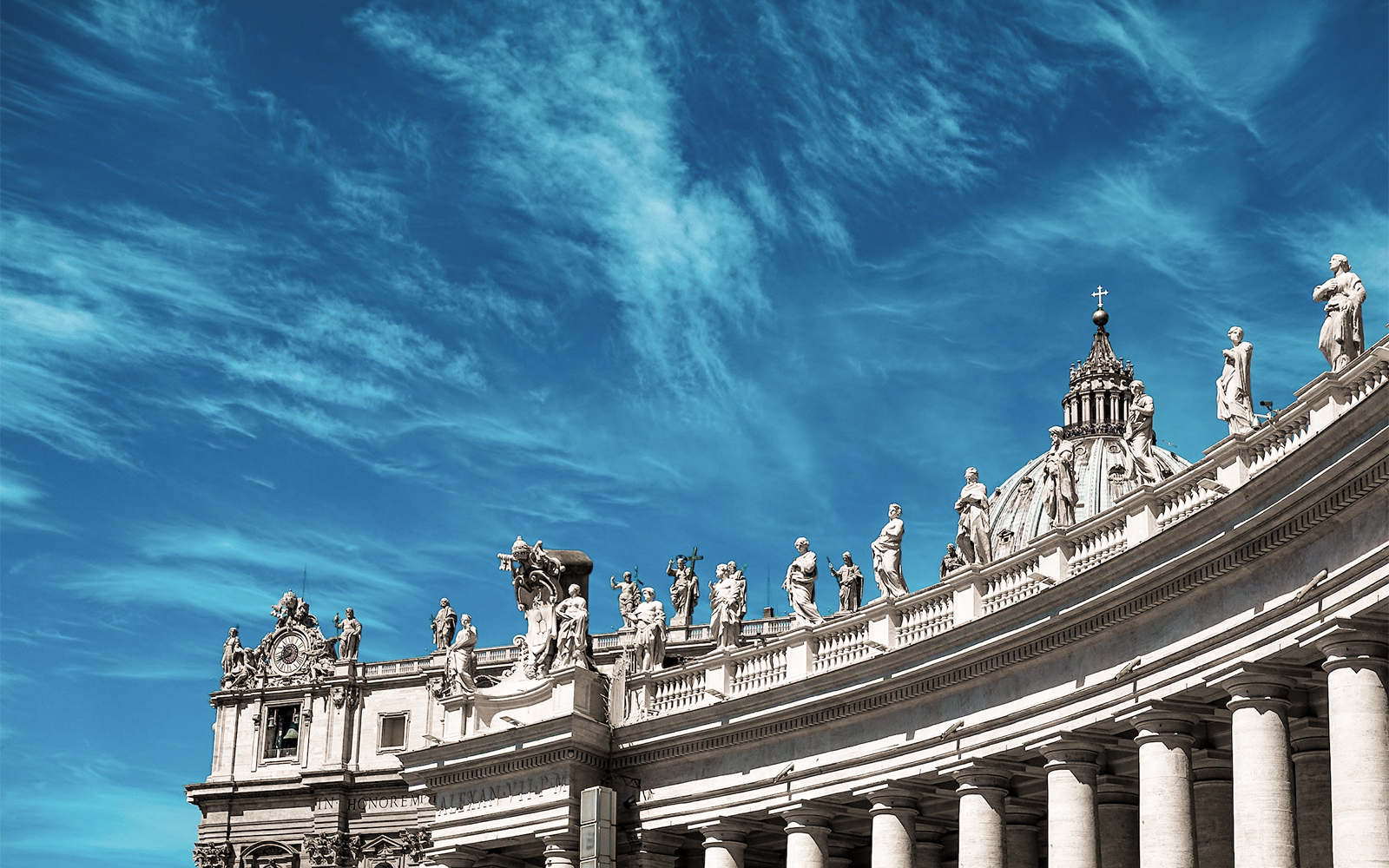
There are still rumors that a treasure associated with the Knights Templar is hidden inside the walls of Vatican City.
12. The Secret Tunnel to Castel Gandolfo

There are rumors that a secret underground tunnel connects Vatican City to Castel Gandolfo, the Pope's summer palace.
13. The Disappearance of Pope John VIII

Pope John VIII's fate is still unknown; some historians speculate that he was a woman who vanished inexplicably.
14. The Pagan Roots

The site's pre-Christian past is shown by the entombed remains of a pagan necropolis beneath the magnificent St. Peter's Basilica.
15. The Holy Grail Quest
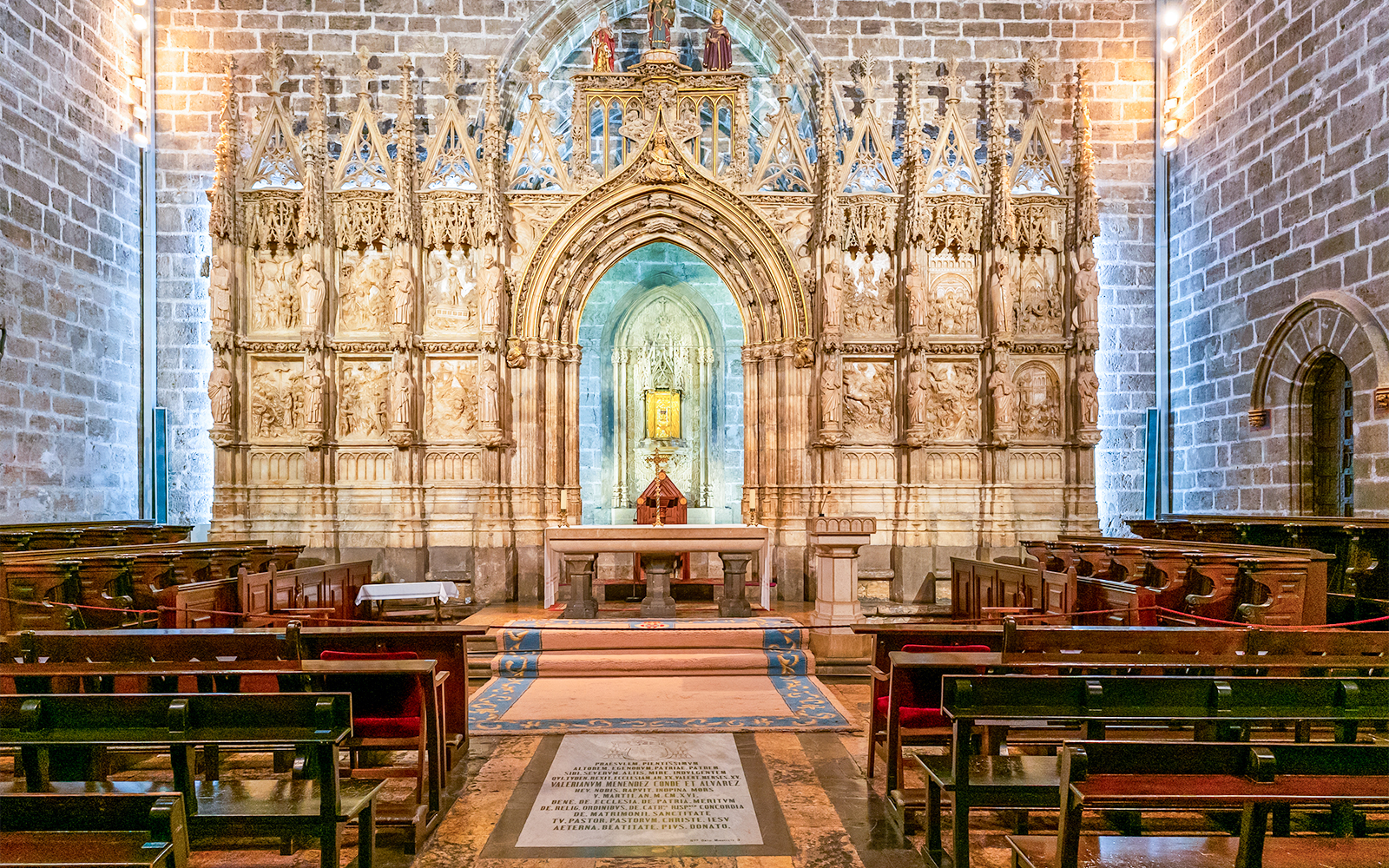
The Vatican's already enormous prominence is further enhanced by the belief held by some that it contains important hints and secret information regarding the Holy Grail.
BONUS: We Bet You Didn’t Know These Cool Facts!
1. The Red Shoes: The Pope's traditional red shoes hold a hidden meaning - they symbolize the willingness of the Pontiff to be ready to shed blood in defense of the faith.
2. The Swiss Guards' Uniforms: The colorful and distinctive uniforms of the Swiss Guards are not merely for show; each element of their attire carries symbolic significance and historical references.
3. The Sistine Chapel's Hidden Inscriptions: Michelangelo added cryptic inscriptions to his iconic frescoes in the Sistine Chapel, including names of pagan prophets and subtle references to ancient mythology.
4. The Pope's Personal Barber: The position of the papal barber is an ancient tradition that still exists today, with the barber serving as the only layperson allowed to enter the Sistine Chapel during the conclave.
5. The Locked Doors of the Papal Conclave: During the conclave to elect a new Pope, the cardinals are locked inside the Sistine Chapel, and all external communication is severed, ensuring utmost secrecy.
6. The Obelisk Exorcism: When the obelisk in St. Peter's Square was moved to its current location in the 16th century, it was believed to be exorcised to cleanse it of evil spirits.
7. The Pope Joan Legend: While officially dismissed as a myth, the legend of Pope Joan, a female pope who supposedly reigned during the Middle Ages, has intrigued historians and storytellers for centuries.
8. The Apostolic Palace's Hidden Rooms: Within the vast Apostolic Palace, there are secret rooms and passageways, some serving as the Pope's private quarters or hiding places during tumultuous times.
9. S The Secret Messages in Artwork: Some Renaissance artists incorporated hidden messages and codes within their Vatican-commissioned artworks, expressing their political and personal views.
10. The Vatican Observatory: Nestled within Vatican City is an astronomical research institute, the Vatican Observatory, which continues to conduct cutting-edge research in astronomy and astrophysics.

