







Help

Sell on Headout

Whales of Iceland Museum

Dive into the world of whales at Whales of Iceland Museum. Explore life-sized whale models and unravel the secrets of these majestic creatures in Reykjavik.
4.5/5
2,034 travellers from around the world love this
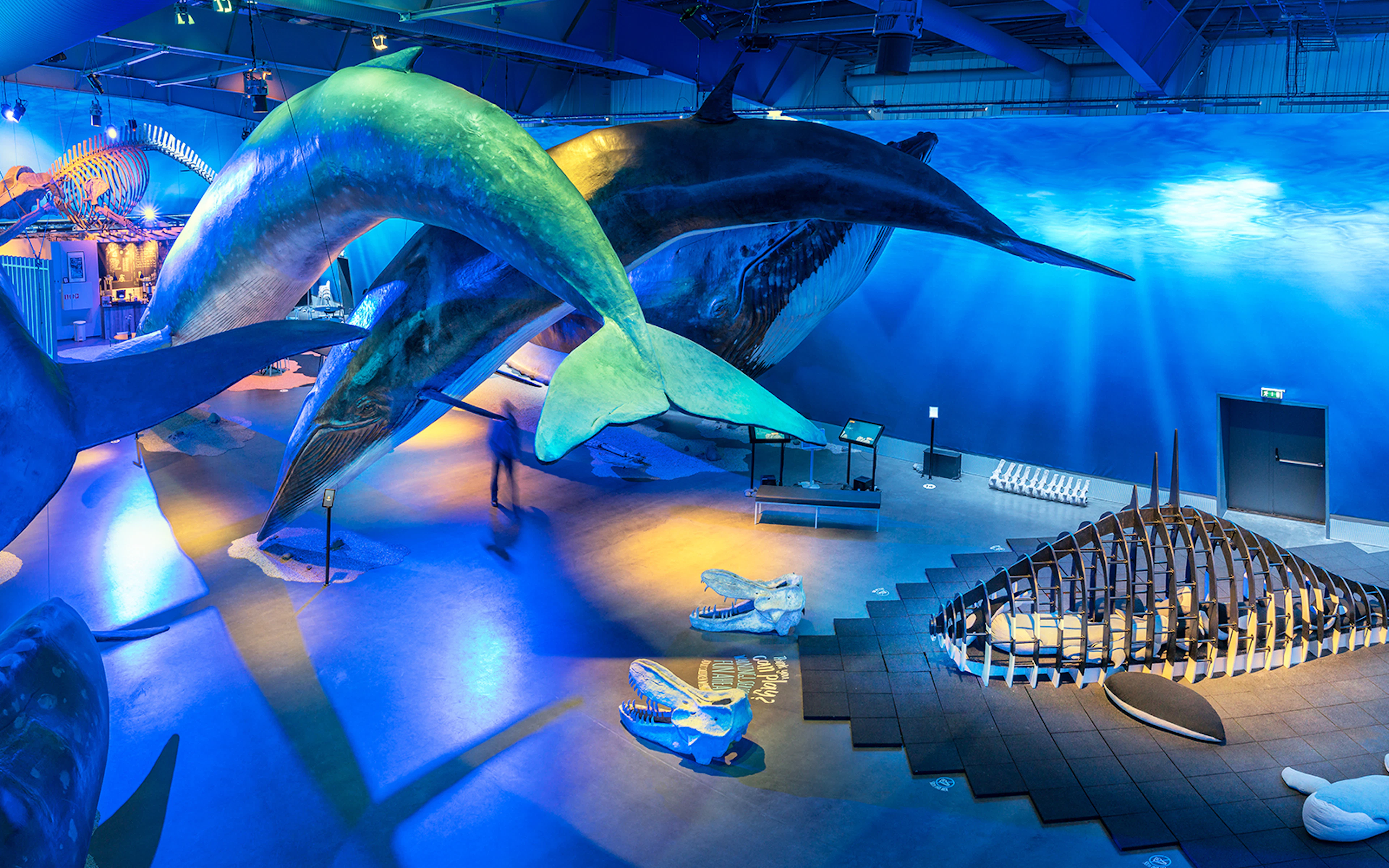
Slide 1 of 10, Whale models and skeletons displayed at Whales Museum, Iceland.
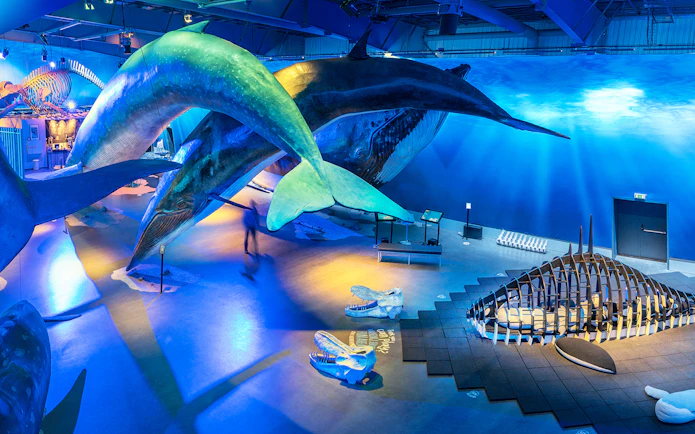
Whale models and skeletons displayed at Whales Museum, Iceland.
Explore at your pace
1 more
  • Learn of the local hermits of the ocean in Iceland, and the whales in an educational, interactive experience like no other.

  • Enjoy an audio-guided tour throughout the museum, available in 16 languages.

  • Interact and navigate through the life-size models of 23 whale different whale species.

  • Explore the Museum in an immersive experience with whale calls, beach-like floors, and visual treats.

  • Visit the Fin Whale Theatre and watch the Sonic Sea documentary to learn about the threats to whales today and how we can help them.

More details
  • Learn of the local hermits of the ocean in Iceland, and the whales in an educational, interactive experience like no other.

  • Enjoy an audio-guided tour throughout the museum, available in 16 languages.

  • Interact and navigate through the life-size models of 23 whale different whale species.

  • Explore the Museum in an immersive experience with whale calls, beach-like floors, and visual treats.

  • Visit the Fin Whale Theatre and watch the Sonic Sea documentary to learn about the threats to whales today and how we can help them.

from
€29

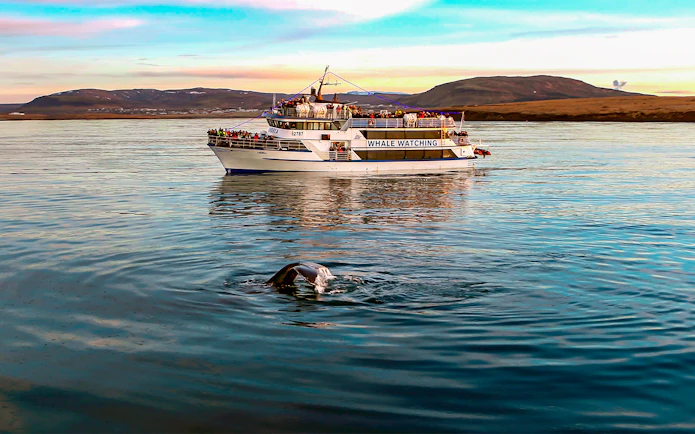
Slide 1 of 8, Whale watching boat near Iceland with whale tail visible in the water.
Whale watching boat near Iceland with whale tail visible in the water.
4 hrs
2 more
  • Combine time on Faxaflói Bay with a visit to Iceland's largest whale exhibition, featuring 23 life-size models and immersive displays.

  • A knowledgeable guide shares insights throughout the voyage, while thermal overalls, Wi-Fi, and a multilingual app enhance comfort.

  • Minke whales are frequent sightings in the bay, alongside white-beaked dolphins, harbour porpoises, and humpback whales.

  • Choose an option with hotel transfers for a smoother experience between your accommodation and Reykjavík's Old Harbour.

More details
  • Combine time on Faxaflói Bay with a visit to Iceland's largest whale exhibition, featuring 23 life-size models and immersive displays.

  • A knowledgeable guide shares insights throughout the voyage, while thermal overalls, Wi-Fi, and a multilingual app enhance comfort.

  • Minke whales are frequent sightings in the bay, alongside white-beaked dolphins, harbour porpoises, and humpback whales.

  • Choose an option with hotel transfers for a smoother experience between your accommodation and Reykjavík's Old Harbour.

from
€116

Pro tips to help you make a pick

There is no formal skip-the-line ticket tier. Pre-booking mainly saves the payment step at the front desk and helps secure your preferred day or timeslot, especially in summer or on busy cruise days.

Similar things to do in Reykjavik

About Whales of Iceland Museum

Whales of Iceland centers the entire visit on life-size cetacean models instead of display cases or skeleton galleries. Ocean-themed lighting, ambient whale sounds, and interactive displays make the single hall feel immersive, while the focus on species found in Icelandic waters gives clear context for Reykjavík whale-watching trips and local marine conservation.

Did you know?

The whale models are built from steel and foam, then hand-painted to match real animals’ markings; some are based on individuals recognized by local researchers and whale-watching crews.

Why visit Whales of Iceland Museum?

~23 Life-Size Whales from Icelandic Waters

The museum’s core draw is its ~23 full-scale models of whale and dolphin species found in Icelandic waters. You can compare the size of animals such as the blue whale, humpback whale, minke whale, sperm whale, orca, and white-beaked dolphin in one walk-through exhibition.

Plan your visit

Main Entrance – Fiskislóð 23–25

Located at Fiskislóð 23–25 in Reykjavík’s Grandi harbor district, this street-level entrance is the museum’s only public visitor entrance and is marked with Whales of Iceland signage. All visitors, including online ticket holders and walk-up guests, check in at the front desk inside for ticket validation before entering the exhibition. This is the best entrance for everyone, including wheelchair and stroller users, thanks to step-free access and wide interior pathways. Entry is usually quick, though rainy weekends and cruise days can create short queues at the desk.

Browse by themes

Nearby cities to explore

Whale watching in Reykjavik at a glance

  • Season: Year-round, fully indoor whale exhibition independent of Reykjavik’s weather
  • Duration: Typical visit 60–120 minutes, including exhibits, audio guide, and films
  • What you'll see: Around 23 life-size whale, dolphin, and porpoise models from Icelandic waters
  • Guide: Self-guided with included multi-language audio guide; occasional short staff whale talks
  • Vessel options: No boats or live animals; land-based educational museum experience only
  • Departure point: Whales of Iceland Museum, Fiskislóð 23–25, Grandi harbor district, Reykjavík
  • Route: Self-paced walk through baleen giants hall, toothed whales zone, conservation exhibits
  • Best for: Families, whale enthusiasts, bad-weather days, and visitors pairing with harbor cruises

Which whale watching cruise is right for you?

Tickets to Whales of Iceland Museum

  • Whale focus: Not a whale tour
  • Best for: Visitors wanting an indoor, in-depth look at Iceland’s whale species before or after a harbor cruise
  • Not for: Anyone specifically seeking a boat trip or live whale sightings
  • Departure point: Whales of Iceland Museum, Grandi harbor district, Reykjavík
  • Vessel: None – indoor exhibition space with life-size models and theatre
  • Duration: Typically 1–2 hours self-guided
  • Route: Fixed indoor exhibition circuit
  • Pace and comfort: Fully indoors, step-free, calm environment
  • Includes: Museum admission, access to exhibits, audio guide, film screenings
  • Why choose: Choose this to understand whale biology and conservation without going to sea

Whale sightings & season in Reykjavik

Best time to go: Reykjavík’s whale-watching season generally runs from mid‑April to late October, with the most consistent sightings from June through August when seas are calmer and feeding activity is strongest. Early spring and late autumn trips still operate but can be more weather-dependent, with fewer departures in rough conditions and limited options in deep winter.

What you’re likely to see: Around Reykjavík, minke whales and humpback whales are the most commonly spotted species in season. White‑beaked dolphins and harbour porpoises are also regular, with occasional appearances from orcas and fin whales as rarer bonus encounters. Some operators may offer rebooking if no whales are seen — check the no-sighting policy on your product. Sightings are wild and never guaranteed; in-season odds are stronger but every departure depends on weather and the pods’ movement.

Responsible whale watching: A must-do

  • Ethical whale watching in Reykjavík follows Icelandic whale-watching guidelines, which emphasize observing whales without disrupting natural behavior.
  • Slow approach: Vessels reduce speed well before entering known whale areas to minimize disturbance.
  • Respectful distance: Crews keep a safe buffer from whales, as advised by Icelandic guideline bodies such as IceWhale.
  • No pursuit: If whales dive, turn away, or increase speed, boats do not chase or alter course to follow.
  • Limited boats: Operators coordinate to avoid crowding, keeping only a few boats near any pod at one time.

What a whale watching day looks like in Reykjavik

Interior view of the harbor building reception area

Arrive and check in

You arrive at the Grandi harbor building and check in at the reception desk, where your ticket is scanned and you can pick up an audio guide. After a brief orientation, you step into the dimly lit exhibition hall.

Is Reykjavik whale watching right for you?

  • Reality check: Reykjavík whale watching is an outdoor boat tour in North Atlantic conditions, not a short, calm harbor cruise. Expect wind, cold spray, and changeable weather year-round, even in summer, and remember that sightings are never guaranteed.
  • Choose it if: You’re happy to spend 2.5–4 hours at sea, can dress in multiple warm layers, and see whale encounters as a bonus rather than a promise.
  • Think twice if: You have limited time, travel with very young children, or dislike long, cold periods outdoors.
  • Seasickness: Swell can be noticeable even on calm days. If you’re motion-sensitive, take medication 1–2 hours before departure, avoid heavy meals right before boarding, and stay on deck midship with eyes on the horizon.

What you'll see on the water in Reykjavik

Image showing Minke whales on the water

Minke Whales

Among the most frequently encountered whales in Faxaflói Bay, minkes often surface briefly and change direction unpredictably. They usually travel alone or in small groups, with quick blows and low, rolling backs that can be easy to miss in choppier conditions.
Fun fact: Minke whales around Iceland are commonly seen during summer feeding on small fish.

Your whale watching tour boarding points in Reykjavík

Reykjavík Old Harbor (Ægisgarður piers)

Most Reykjavík whale watching cruises depart from the Old Harbor area, east of the Grandi district and within walking distance of downtown hotels and Harpa Concert Hall.

Address: Ægisgarður, 101 Reykjavík, Iceland | View on Google Maps: https://maps.app.goo.gl/eYfL6Er2FvQiTBzX9

  • Departure time: Common morning and early afternoon departures; exact times depend on your chosen operator and season.
  • When to arrive: Plan to be at your operator’s ticket office 20–30 minutes before the stated departure time for check‑in and safety briefing.
  • Nearest landmark: Harpa Concert Hall and the downtown waterfront promenade lie a short walk to the east.

Note: Whales are usually encountered out in Faxaflói Bay; expect a substantial cruise away from the harbor before any sightings.

How to get there?

  • On foot: Around 10–20 minutes’ walk from central Reykjavík (e.g., Laugavegur/Harpa area), following the waterfront toward the harbor.
  • By city bus: Several Strætó routes serve stops near the Old Harbor; use straeto.is or the app to route to “Miðbakki/Old Harbour” and walk a few minutes.
  • By taxi: A 5–10 minute ride from most downtown hotels; ask for “Reykjavík Old Harbor, whale watching piers.”
  • By car: Drive toward the harborfront and follow signs to Ægisgarður; paid/limited parking is available near the piers.

Plan your visit

  • Opening hours: Open year-round with hours that vary by season; you need to check the official website close to your date.
  • Best time of day: Mornings and late afternoons are usually quieter than mid-day.
  • Average visit length: Plan 1–2 hours for a full walkthrough with audio guide and film corner.
  • Crowds: Expect more visitors in June–August and on cruise-ship days.
  • Last entry: Not clearly stated online, so confirm before you go.

Photography on Reykjavík whale watching tours

Photography on Reykjavík whale watching tours can be technically demanding; sightings and close approaches are never guaranteed.

  • Light window vs season: Winter and early-spring tours can run in low-angled or twilight light with overcast skies; expect to shoot at higher ISOs than in bright midsummer, when long daylight hours give more flexibility.
  • Lens / focal length guidance: On deck, a 70–300mm or 100–400mm zoom usually covers distant blows and surfacings; wider lenses (~24–70mm) mainly suit boat, crew, and landscape context shots.
  • Fast shutter / burst: Aim for at least 1/500–1/1000 sec for surfacings and tail-slaps; in dim conditions this often means ISO 1600–6400, continuous autofocus, and high-speed burst enabled.
  • Flash-off ethics: Keep flash off at all times to avoid disturbing whales and birds; built‑in flash is ineffective over typical viewing distances on open water anyway.
  • Battery care: Cold air and wind chill drain batteries quickly; carry 2–3 spares close to your body and avoid leaving cameras exposed when not in use.
  • Phone vs camera expectations: Phones handle wide scenic shots but struggle with distant, fast-moving whales; expect more reliable results from a dedicated camera with optical zoom and good burst performance.

Frequently asked questions about whale watching tours in Reykjavík

  • Most standard tours last about 2.5–3.5 hours from departure to return, including sailing time out to feeding areas and back. Always confirm the exact duration on your chosen tour, especially if combining with other activities.

We've served 53 million+ guests and we are here for you

53 million+

Happy customers across 10,000+ experiences

In the media

Featured and recommended by the best brands

24 x 7 help center

Have a question? Live chat with local experts anywhere, anytime