Plan your Kyoto to Amanohashidate, Ine Funaya & Miyama Kayabuki No Sato Day Trip
🌤 Best time to visit
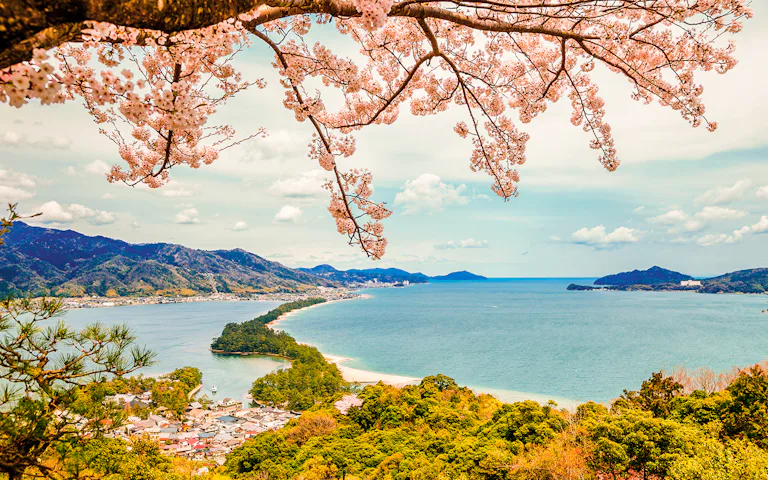
Spring (late March–May) brings fresh greens at Amanohashidate and blooming fields around Miyama; autumn (late October–November) adds vivid foliage framing the thatched roofs and mountain roads. Golden Week and mid‑August can turn the Kyoto–coast drive into 5–6 hours. Aim for mid‑week in spring or autumn and avoid major Japanese holidays.
🚌 Getting there
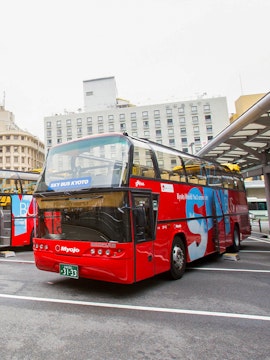
Tours typically depart 7:30–8:30 am from around Kyoto Station, driving ~2–2.5 hours to Amanohashidate, then ~30–40 minutes to Ine and 1.5–2 hours to Miyama before a 1.5–2‑hour return. Public transport would require multiple poorly timed transfers. Be at the meeting point 10–15 minutes early and don’t plan tight evening commitments.
🎒 What to bring
You’ll alternate air‑conditioned bus rides with outdoor stops: breezy Ine Bay, Amanohashidate’s hilltop viewpoint, and Miyama’s uneven village lanes. Coastal wind and mountain chill can feel cooler than Kyoto. Bring layers, a compact rain jacket, motion‑sickness meds for winding roads, and a power bank so your camera survives the final Miyama photo stop.
🍽️ Food & facilities
Most standard tours leave lunch to you, expecting you to eat near Amanohashidate’s Monju area, where seafood rice bowls, grilled squid and cafés cluster and restrooms are plentiful. Ine has a few small cafés; Miyama has only one or two eateries plus vending machines and a single public toilet block. Eat properly by Amanohashidate and carry snacks for Miyama.
♿ Accessibility
Tour coaches usually require climbing a few steps and are not fully wheelchair‑equipped. At Amanohashidate, enclosed monorails/cable cars are easier than open chairlifts, but platforms still involve short walks. Ine’s lanes are narrow and sloped; Miyama’s paths are partly unpaved with steps into the folklore house. If walking is difficult, consider a private tour and plan to stay near flatter areas.
⚠️ Rules & restrictions
Guides enforce strict meet‑up times at Amanohashidate, Ine pier, and Miyama parking; buses won’t wait long for late returnees. Many Miyama houses are private homes, and residents ask visitors not to enter yards or photograph directly through windows. Drones and feeding wildlife ashore are discouraged. Follow your guide’s instructions and keep to marked village paths.
💪 Physical requirements
Expect a 10–11‑hour day with roughly half on the bus and several 20–40‑minute walks on uneven ground. At Amanohashidate you may climb short stairways around the viewpoint; Miyama includes gentle hills to reach the best thatched‑roof vantage points. If needed, you can always skip a steeper section and wait by the bus or a café while others explore.