Plan your Kyoto Day Tour
🌤 Best time to visit
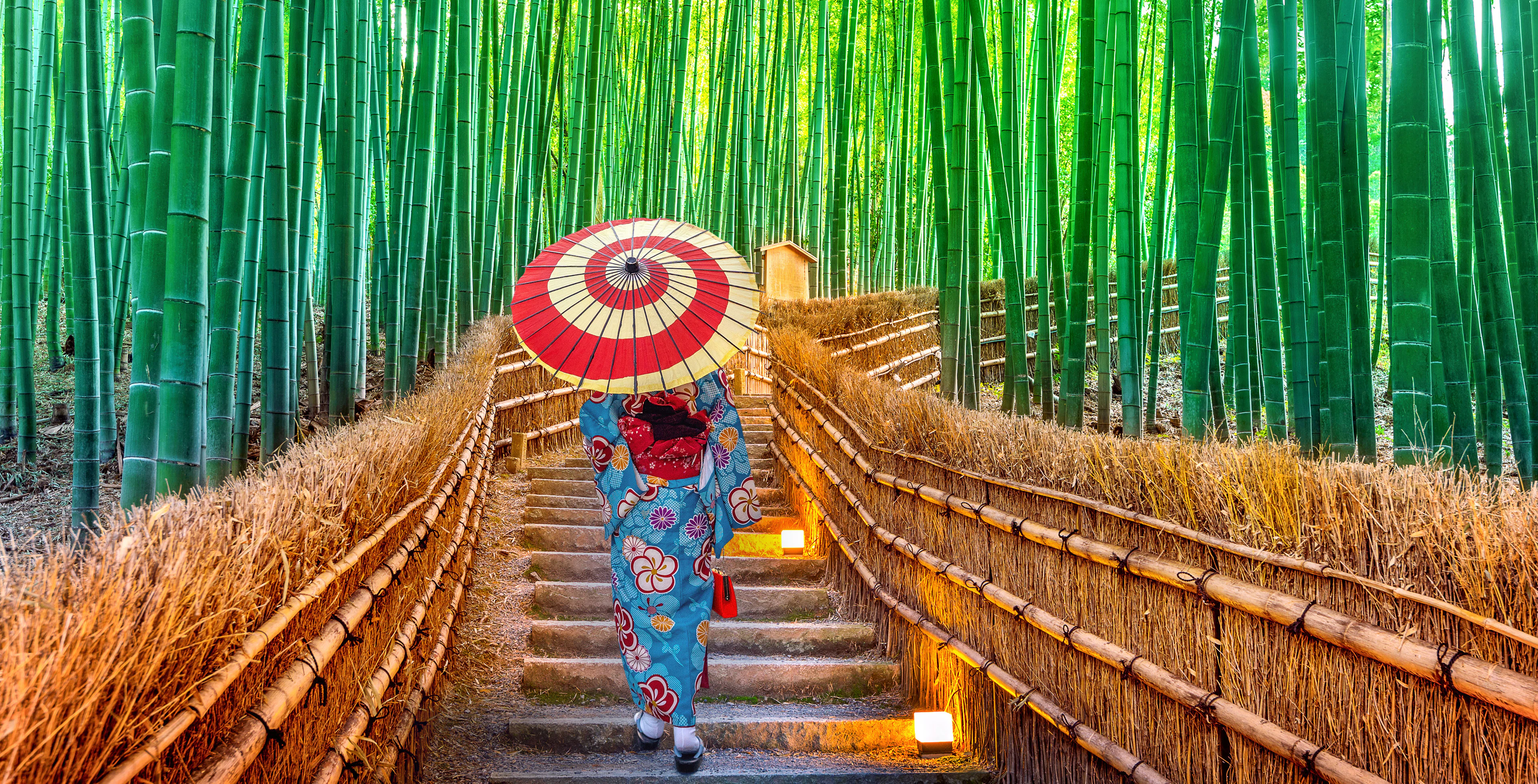
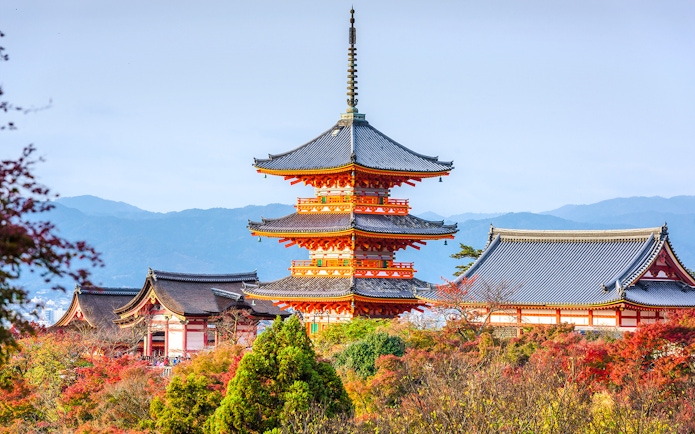
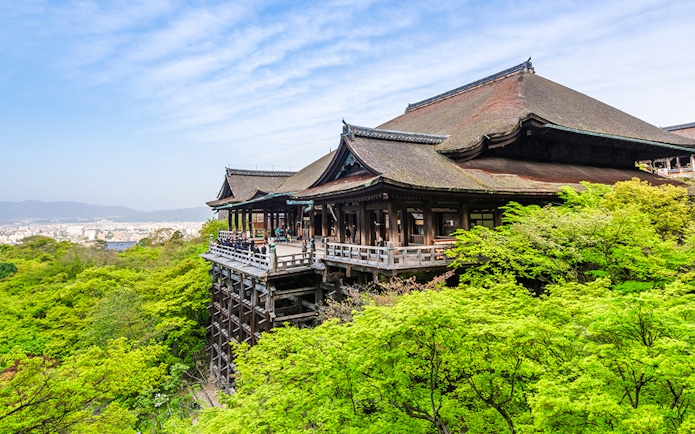
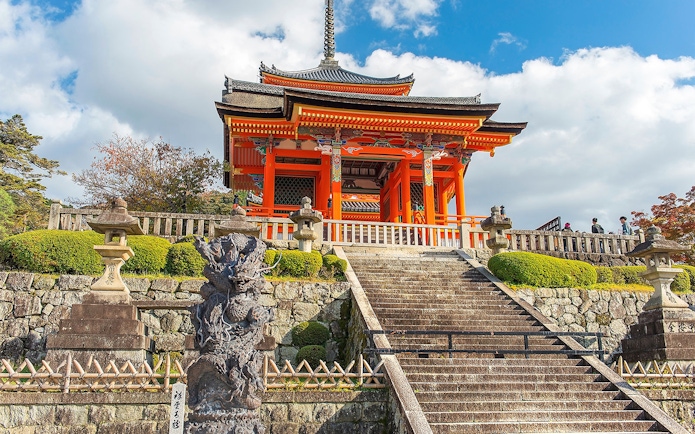
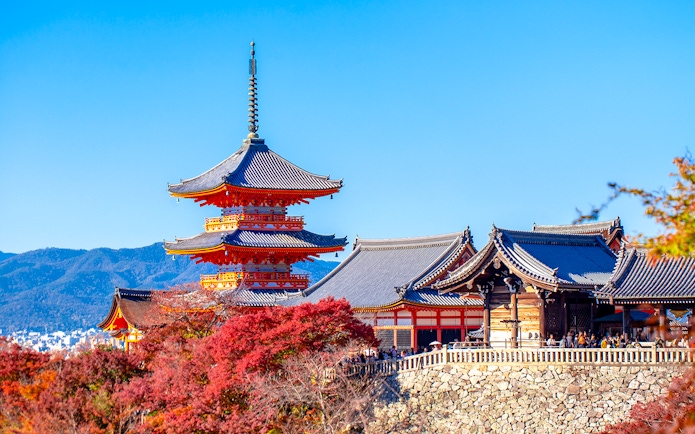
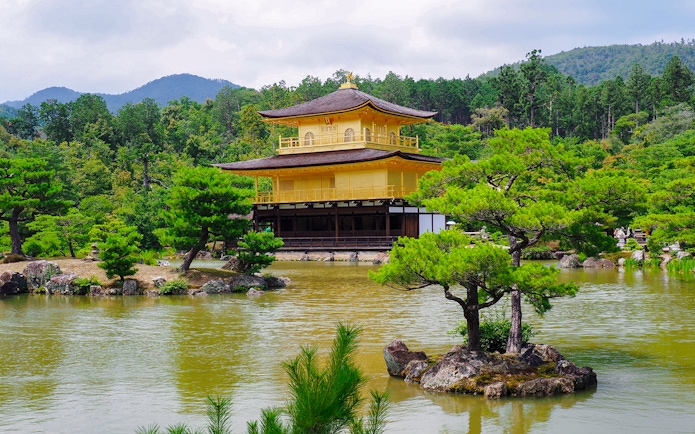
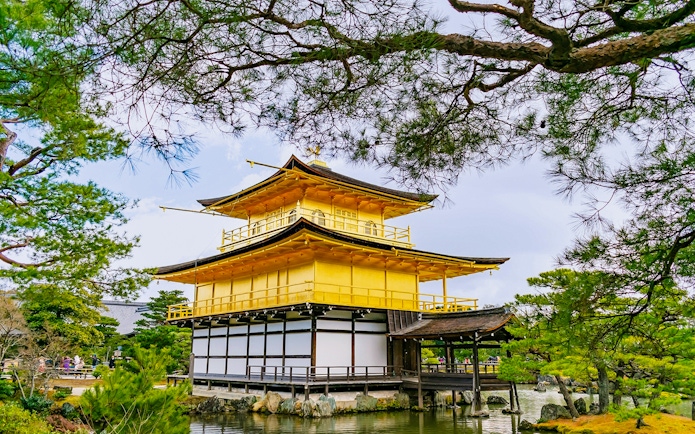
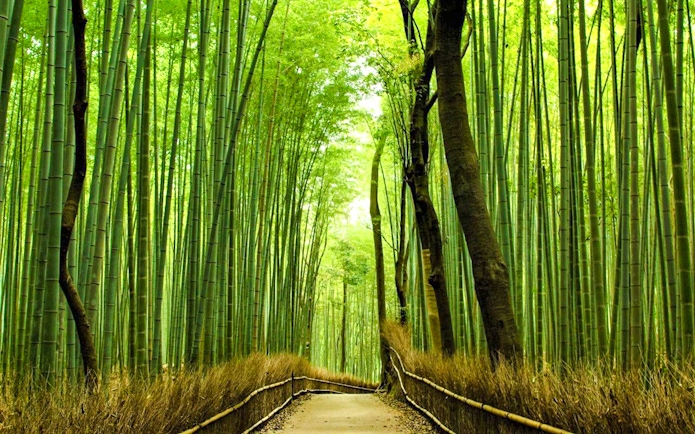
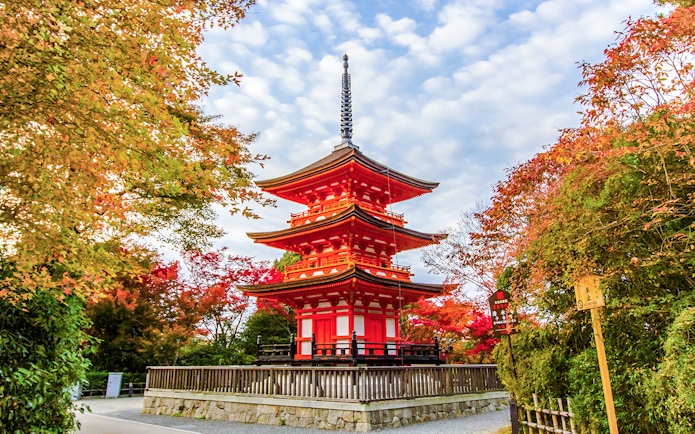
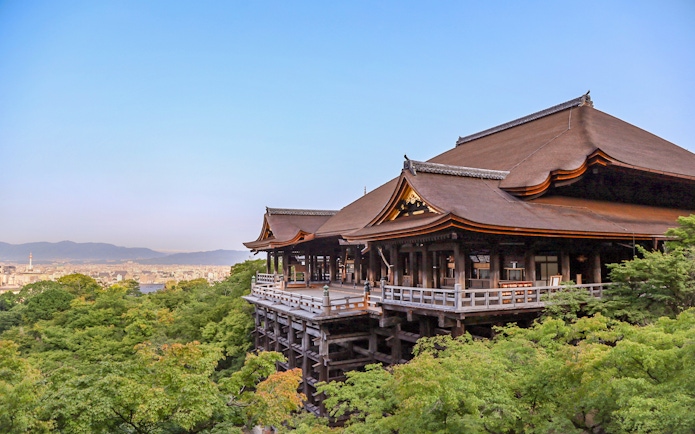
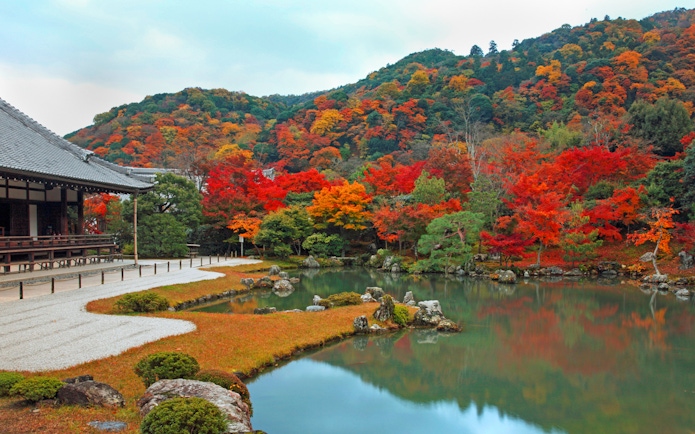
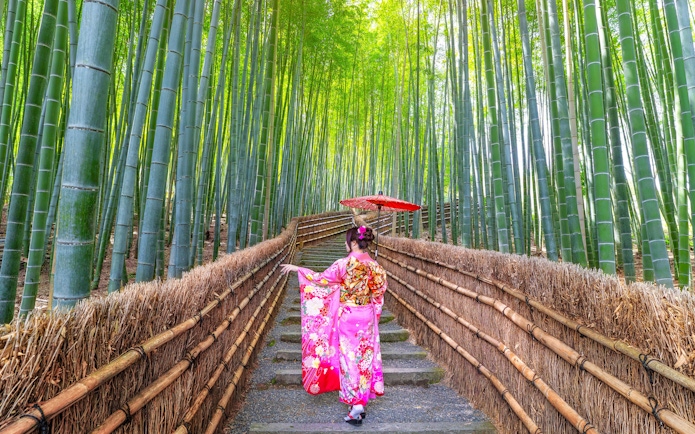
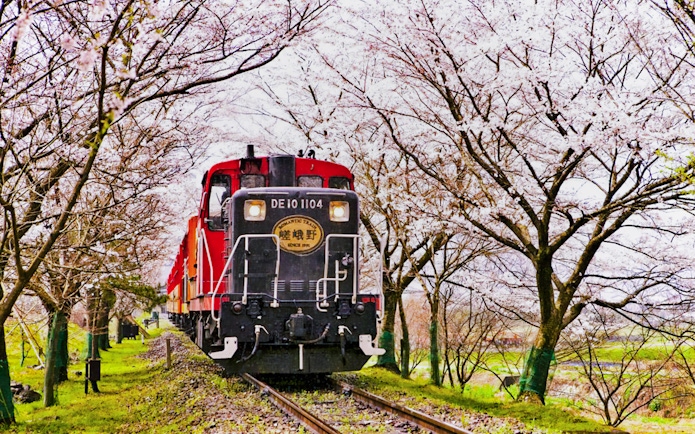
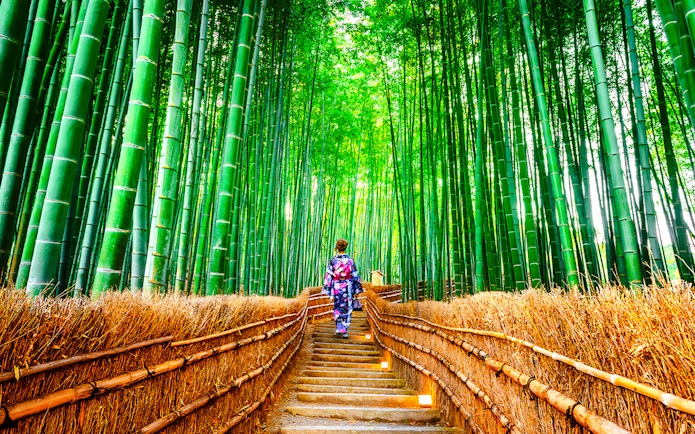
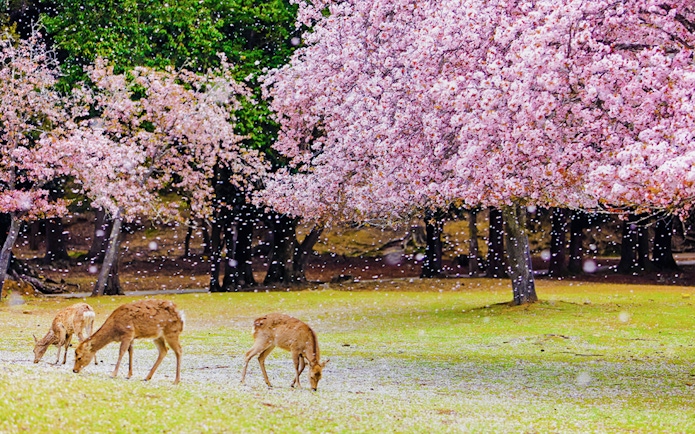
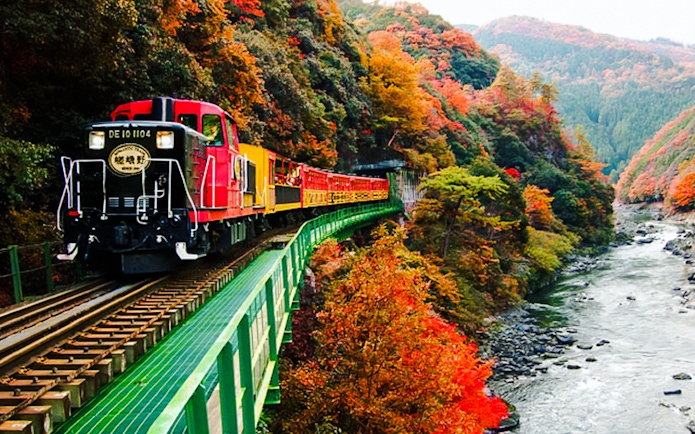
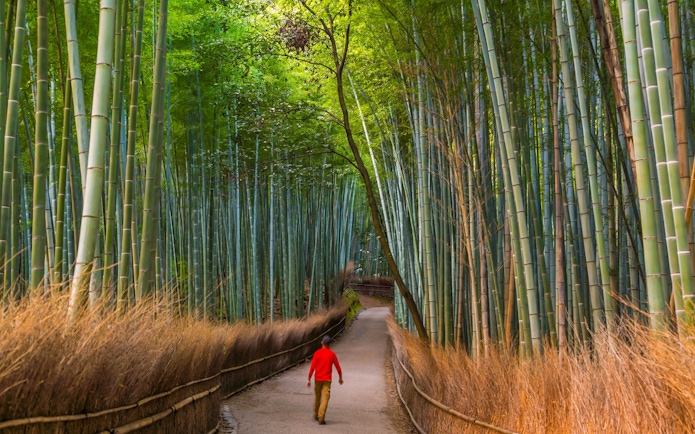
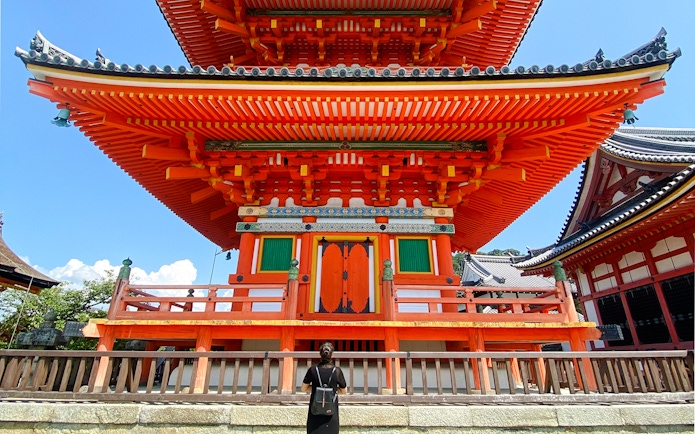
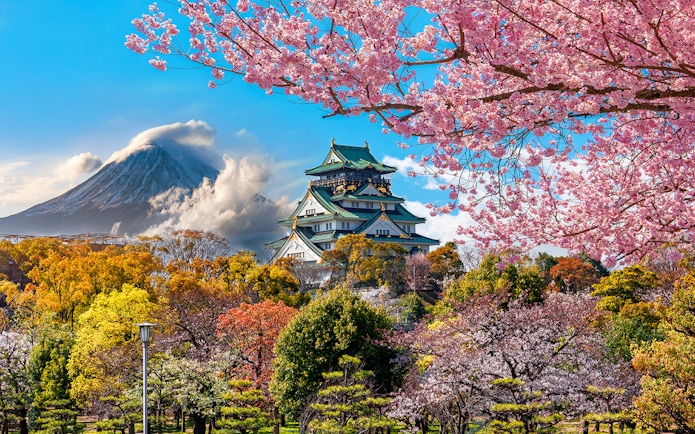
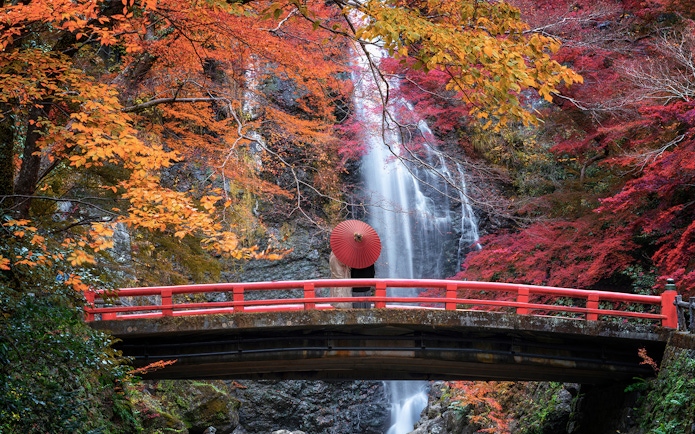
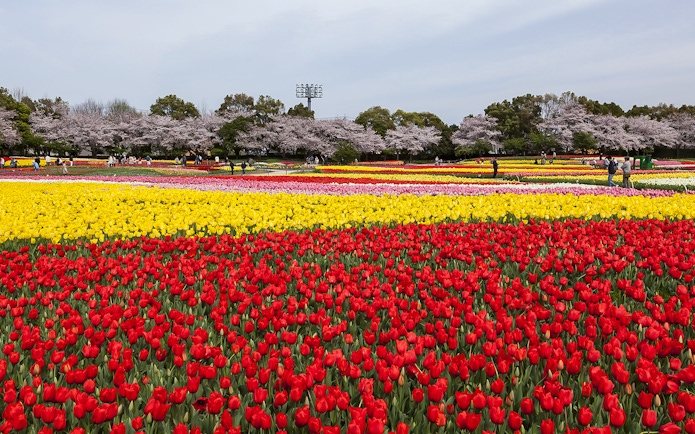
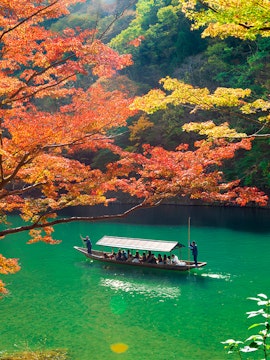
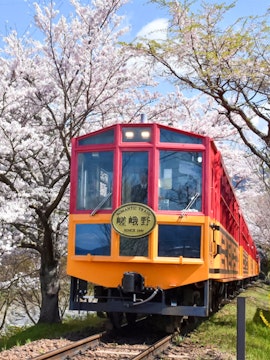
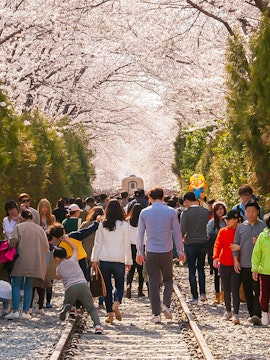
Kyoto day tours feel very different by season: cherry blossom (late March–early April) and autumn foliage (mid‑November) give spectacular views from Kiyomizu‑dera’s terrace and around Kinkaku‑ji’s pond but draw dense crowds. Winter can reveal Kinkaku‑ji dusted in snow, while summer heat makes shaded Arashiyama Bamboo Grove especially welcome. Book spring/autumn early.
🚌 Getting there
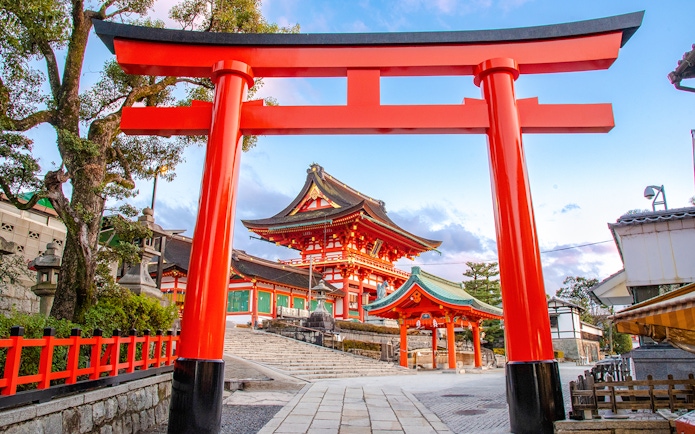
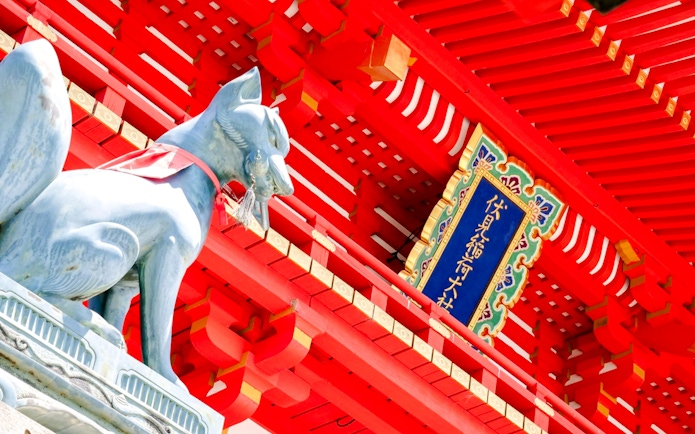
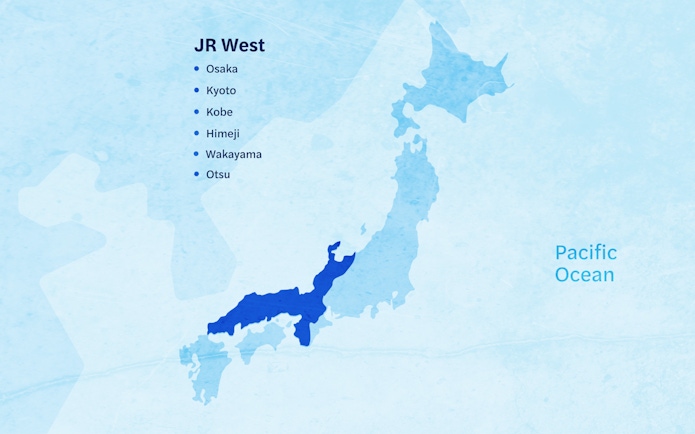
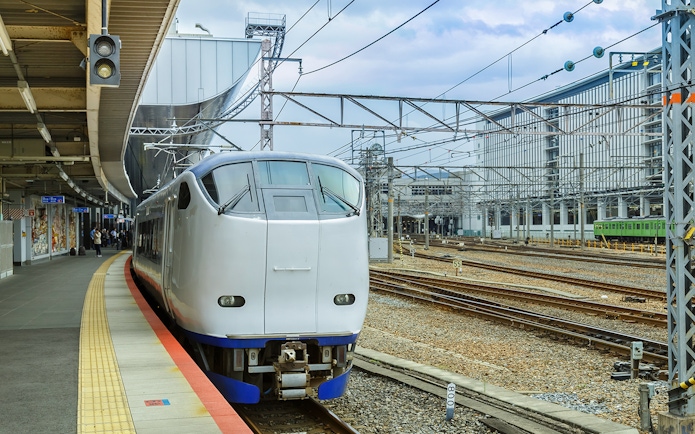
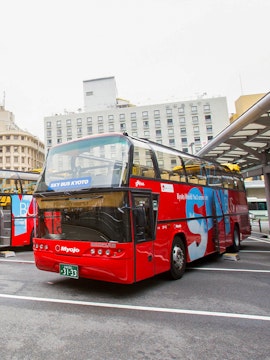
Osaka-based tours typically need about an hour by road to reach Kyoto, while Kyoto-origin buses start near Kyoto Station, maximizing time at Fushimi Inari, Kiyomizu‑dera, Arashiyama, and Kinkaku‑ji. Tokyo day trips bundle a 2¼‑hour Shinkansen each way, leaving roughly 4–6 guided hours in Kyoto. Choose an origin city that matches your energy and schedule.
🎒 What to bring
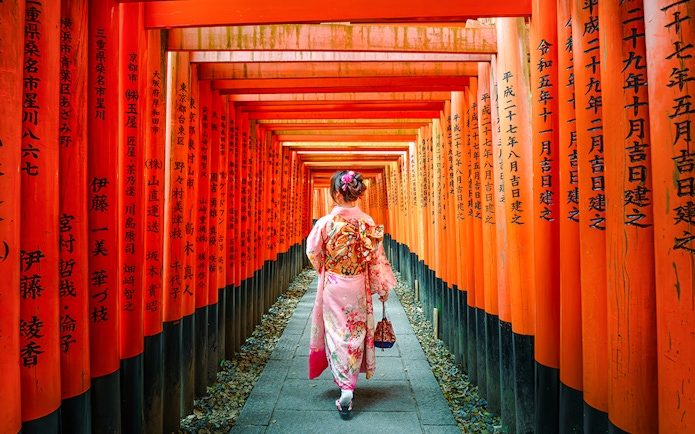
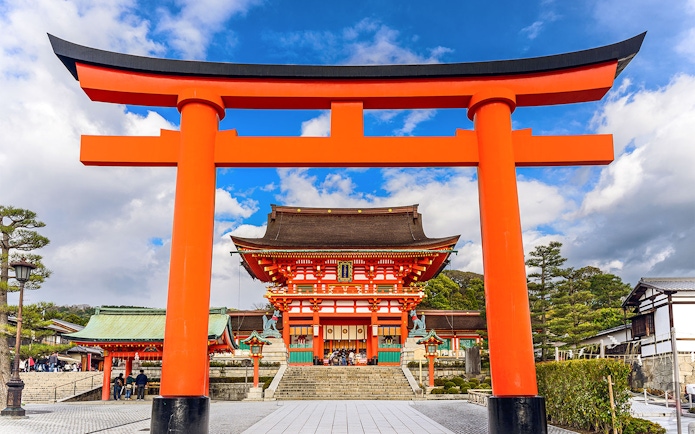
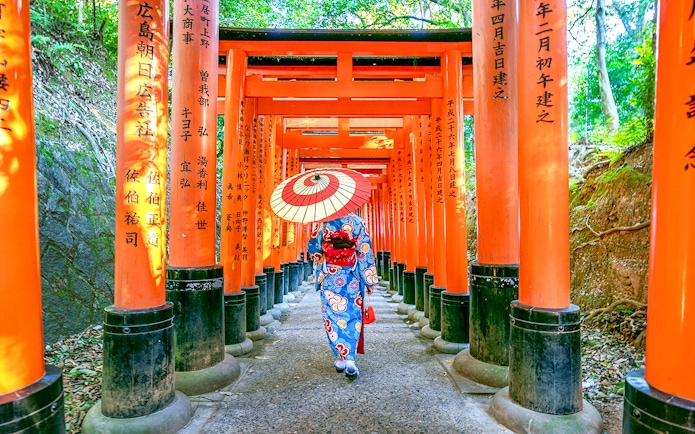
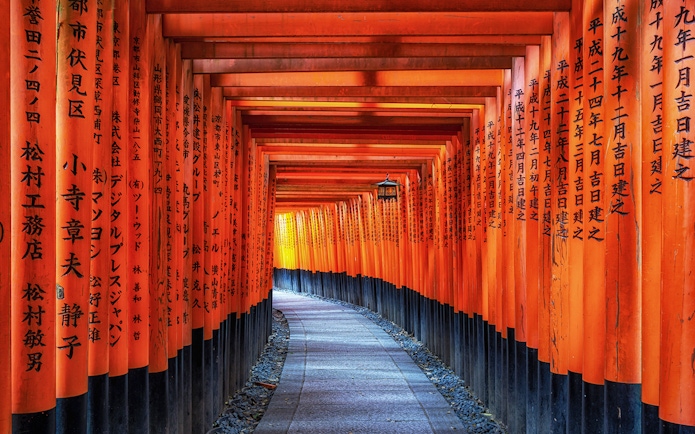
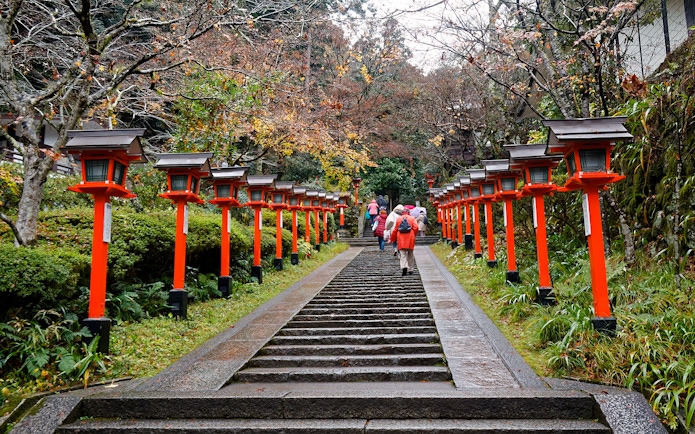
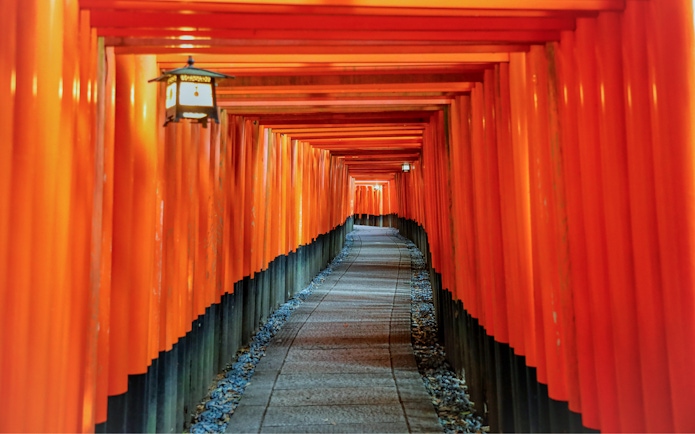
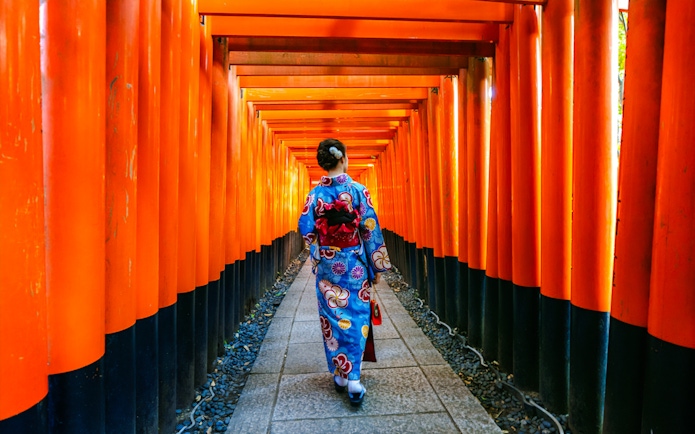
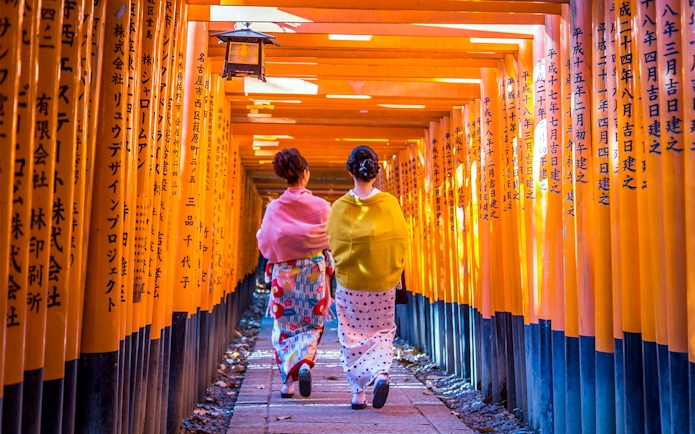
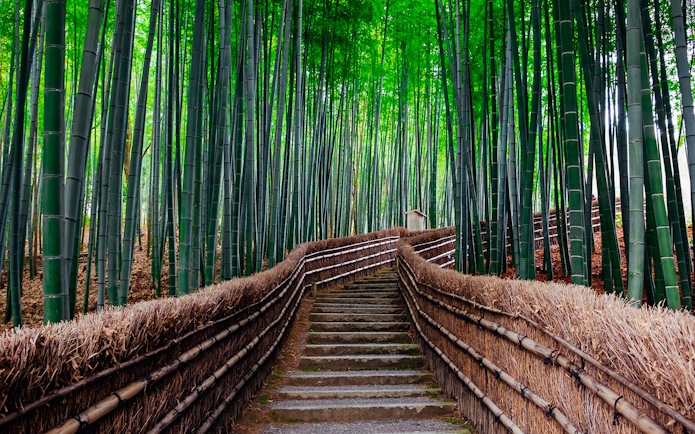
Kyoto highlight tours involve walking uphill to Kiyomizu‑dera, navigating stone steps at Fushimi Inari, and strolling Arashiyama’s 500‑meter bamboo path, often in humid or changeable weather. Pack comfortable walking shoes, a compact umbrella, modest layers for temple dress codes, and a bit of cash for shrine offerings and snacks near Higashiyama or Fushimi.
🍽️ Food & facilities
Many full‑day coach tours schedule lunch around Arashiyama or near Kiyomizu‑dera’s shopping streets, where set menus often spotlight Kyoto-style dishes but may lack vegan or halal options. Restrooms cluster at bus parking areas, temple gates, and around Fushimi Inari’s food stalls. If your tour excludes lunch, plan a quick meal in these zones and carry small snacks.
♿ Accessibility
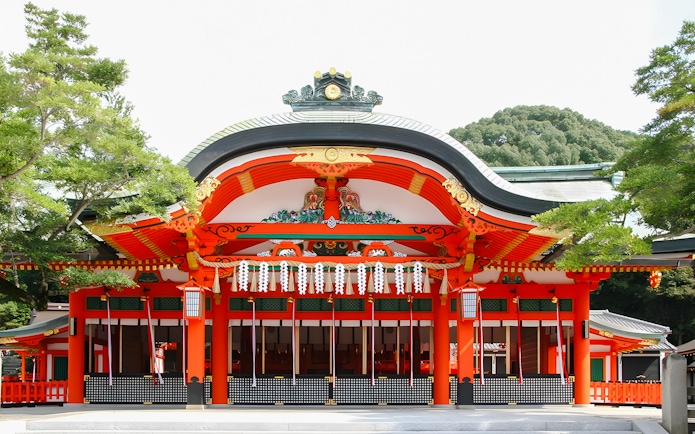
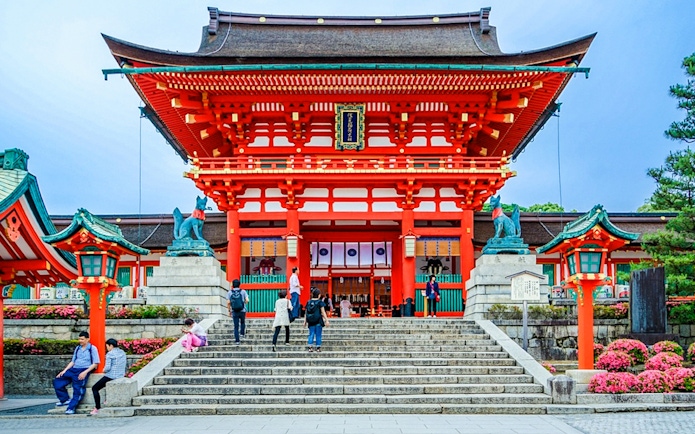
Kyoto’s classic stops mix flat areas with challenging terrain: Fushimi Inari’s lower shrine plaza and Kinkaku‑ji’s main viewing circuit are mostly level, while Kiyomizu‑dera requires a sustained uphill walk through Higashiyama and has stair-heavy verandas. Coaches sometimes drop closer than public buses. If slopes or steps are an issue, favor private or bus tours and confirm routes beforehand.
⚠️ Rules & restrictions
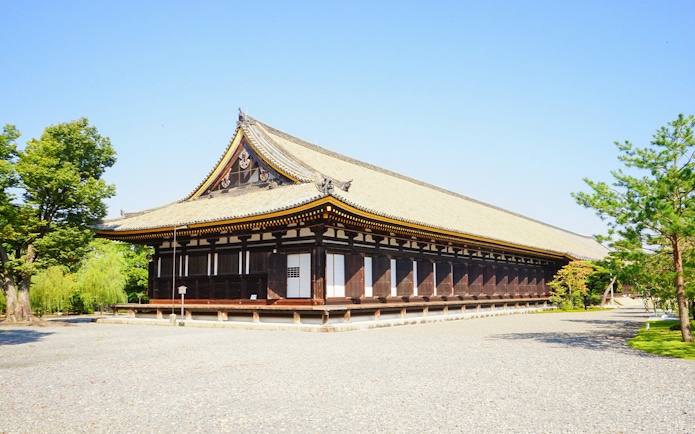
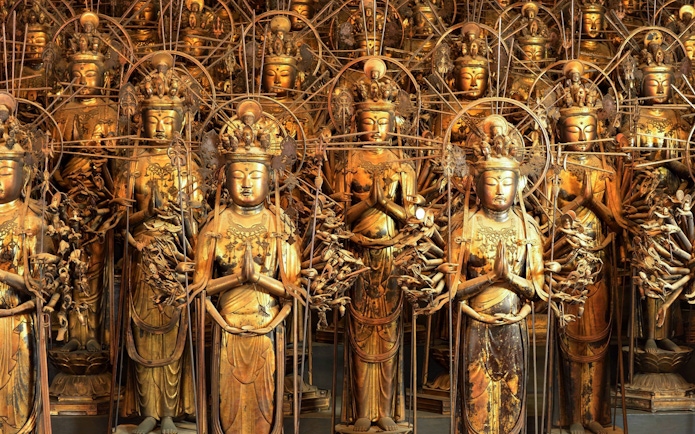
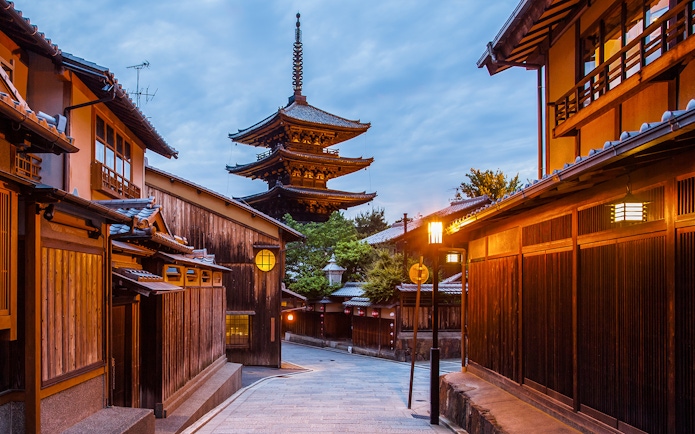
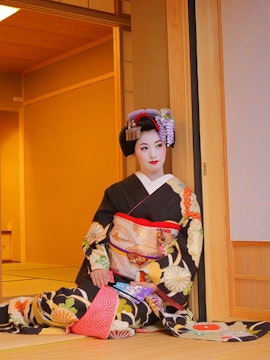
Gion and Higashiyama now enforce stricter behavior rules—no photographing geiko/maiko in private alleys and no eating while walking certain streets. Temples like Sanjūsangen‑dō may forbid interior photography, while shrines expect quiet near worship halls. Guides will flag no‑photo zones and regroup times; follow instructions closely and stay with your bus group to avoid being left behind.
💪 Physical requirements
Expect several kilometers of walking across the day: stone approaches at Fushimi Inari, uneven slopes to Kiyomizu‑dera, and extended standing at viewpoints around Kinkaku‑ji and Arashiyama Bamboo Grove. Summer humidity and crowded stairs can be tiring, especially on Osaka‑origin 9–11‑hour days. Choose a coach or private-car itinerary if steep climbs or long walks might be difficult.