Safari Walk Tickets Nairobi National Park with Optional Hotel Transfers



Explore at your pace

Book now, pay later

Transfers available

Pickup available
-
Choose a walking safari that keeps you on foot with the wildlife, helping you notice tracks, movement and detail that you might otherwise miss.
-
Use your ticket to access the walking area, then begin your route from the entrance when you are ready, heading straight into the park landscape.
-
Your entry covers the Safari Walk trail network, so you can follow various paths, return to spots you like and watch animals from changing viewpoints.
-
Walk at a steady pace or slow down to watch wildlife activity, take photos, listen to the sounds around you and enjoy being close to nature on foot.
-
Upgrade by adding round trip transfers, so transport is handled for you and you can focus fully on the walk instead of organizing separate travel.
-
Select ticket variants for African or non African citizens to match guests in your party, so all guests book the option that fits eligibility.
-
-
Entry to Nairobi National Park
-
Nairobi Safari Walk access: Elevated 1.5km canopy boardwalk
-
Access to three distinct ecosystems
-
Round-trip hotel transfers (as per option selected)
-
These tickets can't be cancelled or rescheduled.
Visit Nairobi Safari Walk with pre-booked entry tickets and optional round trip transfers for a relaxed wildlife outing.
Getting started
Begin by securing your Nairobi Safari Walk entry tickets through this booking. If you select a ticket-only option, plan your own journey to the park entrance and present your entry tickets at the gate. Choosing a transfers option means round trip transfers are arranged for you, so you can focus on the experience instead of local transport.
Nairobi Safari Walk
Nairobi Safari Walk offers a raised boardwalk experience where you explore wildlife habitats on foot rather than from a vehicle. Your time inside is flexible, so you can move at your own pace and choose how long to spend on the trails.
Features
-
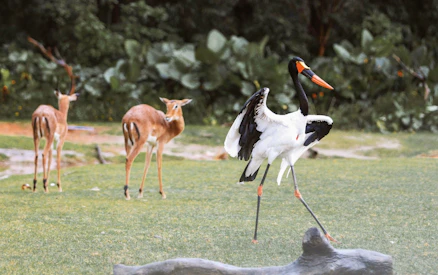
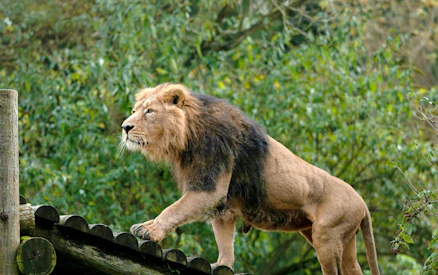
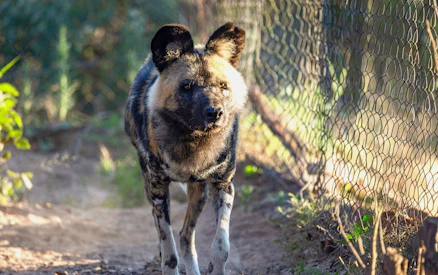
Expect a walking-focused visit where you follow the marked paths and boardwalks within the Nairobi Safari Walk, observing the animals and vegetation from dedicated viewing areas.
-
Your booking includes entry tickets, which provide access to the Nairobi Safari Walk so you can enter directly once you arrive.
-
Depending on the option selected at checkout, round trip transfers are included, giving you a pre-arranged journey to and from Nairobi Safari Walk without needing to organize separate transport.
-
What to bring
-
Footwear & Clothing: Wear closed-toe, comfortable walking shoes — the raised boardwalk spans 27 acres and takes approximately 1.5–2 hours to complete. Light, breathable clothing is recommended; avoid bright colours and military-style prints.
-
Sun & Weather Protection: Pack sunscreen and a hat — several boardwalk stretches are fully exposed. If visiting during the rainy season, bring a raincoat or umbrella; the raised boardwalk keeps you off wet ground, but the surroundings can be wet.
-
Water & Snacks: Bring a reusable water bottle and light snacks — there are benches throughout the boardwalk but no eateries along the route itself. Note: single-use plastic bottles are banned inside the park (see below).
-
Insect Protection: Insect repellent is recommended by KWS.
-
Optics & Camera: Binoculars and a camera are encouraged — the boardwalk offers close-range views that are difficult to replicate from a vehicle. Keep all equipment within the visitor boundary.
-
Documents: Carry your booking confirmation (printed or on your phone) for entry redemption. East African citizens and Kenya residents should bring a valid ID to qualify for applicable rates.
-
First Aid: KWS visitor guidance recommends carrying a basic first aid kit — particularly for families. Plan for minor issues (blisters, headaches, dehydration) to be self-managed, with serious incidents escalated via on-site staff.
What's not allowed
-
Single-Use Plastics: Kenya's 2020 Single-Use Plastic Ban applies to all national parks and protected areas — visitors are strictly forbidden from bringing plastic water bottles, disposable plates, plastic straws, or sweet wrappers into any national park. The full list of banned items includes cotton buds, cutlery, plates, straws, stirrers, balloon sticks and balloons, food containers, beverage cups, PET bottles, cigarette butts, crisp packets, sweet wrappers, bread bags, confectionery wrappers, and wet wipes. Reusable containers are the only permitted alternative.
-
Plastic Carrier Bags: Kenya has a nationwide ban on single-use plastic carrier bags. Bags are often scanned at protected-area entry points, so use fabric or paper bags instead.
-
Drones & UAVs: Drones are prohibited inside Kenya's national parks and reserves. This ban is enforced by KWS under its own regulations prohibiting UAV operations within protected area boundaries — a KCAA national airspace permit does not override KWS park rules.
-
Vapes & E-Cigarettes: Following a Health Ministry decree in late 2025, Kenya has banned the import of all nicotine vaping products, making vapes, e-cigarettes, and smokeless tobacco illegal to bring into the country.
-
Pets: Pets are prohibited in all KWS-managed protected areas.
-
Weapons & Prohibited Equipment: KWS regulations explicitly prohibit entering with weapons, ammunition, explosives, or traps without special authorization.
-
Wildlife Interaction: Never feed wildlife or throw food toward exhibits — feeding disrupts animal diet and creates dangerous human-association. Stay within designated areas only; do not cross barriers, rails, ropes, or enter staff-only zones.
-
Photography Conduct: Do not lean over rails to get closer framing, extend hands, phones, or selfie sticks into enclosures, or use flash photography in ways that visibly stress animals. If animals show agitation, move on.
-
Noise: Keep sound devices low — phones, portable speakers, and loud audio are restricted. Sudden noise and movement can startle wildlife.
Accessibility
-
The Safari Walk is wheelchair accessible, with well-maintained paths and a wooden boardwalk that is easy to navigate for visitors with limited mobility. Ramps are provided in areas where necessary to ensure access for all visitors.
-
Restrooms are located near the entrance. Benches are spaced throughout the boardwalk, providing rest stops at regular intervals.
-
The facility is suitable for all fitness levels, including young children and elderly visitors. Prams and strollers can navigate the boardwalk, though narrow sections and viewing pinch-points may require careful management. One adult per small child is strongly recommended at all times.
Additional information
-
Duration: Allow approximately 1.5–2 hours to complete the full boardwalk circuit across all three ecosystems (wetland, savannah, and forest).
-
Location: The Safari Walk is located on Langata Road, within the KWS headquarters compound, approximately 7 km from Nairobi city centre. It is a separate facility from Nairobi National Park — a Safari Walk ticket does not grant access to the main park.
-
Hotel Transfers (Optional Add-On): Transfer times are subject to local traffic and weather conditions; allow extra buffer during peak Nairobi traffic hours. Your driver-guide contact details will be shared after booking confirmation.
-
Wildlife Behaviour: If animals show signs of stress — repeated pacing, head tossing, retreat, or defensive postures — increase your distance, reduce noise, and move on rather than waiting the animal out. This is not just humane; stressed animals create increased risk for all visitors.
-
Conservation Conduct: The Safari Walk is a KWS conservation facility. Do not remove any plant material, soil, or wildlife products from the premises. Purchasing or attempting to take home any animal products — including ivory, rhino horn, or certain hides — will result in international wildlife trafficking charges. Carry out all personal waste.
-
- Your voucher will be emailed to you shortly.
- Display the voucher on your mobile phone with a valid photo ID at the starting point.
- Please check your final voucher for the starting point details & specific instructions.
100% ticket guarantee
Receive tickets on time, for the experience you've booked.
100% experience guarantee
Get a refund if your experience doesn't happen as promised.
100% assistance guarantee
Available before, during, and after your trip.
Top things to do in Nairobi

Browse by themes
Nearby cities to explore