


Help

Sell on Headout

Oahu Whale Watching Tours

Oahu whale watching tours depart from Honolulu and Waianae harbours during the North Pacific humpback whale migration, with peak sightings between January and March. Find catamaran cruise tickets, small-boat tour options, and snorkel combo formats here.
4.5/5
102 travellers from around the world love this
Slide 1 of 12, Cruise ship sailing near Diamond Head, Honolulu at sunset.
Cruise ship sailing near Diamond Head, Honolulu at sunset.
Explore at your pace
1 more
  • Set sail on a 2-hour ride aboard Hawaii’s largest dinner cruise, the luxurious Star of Honolulu, that boasts four spacious decks and panoramic views of Waikiki and Diamond Head.

  • Evening skyline views of Honolulu and the golden sunset create an unforgettable backdrop for your cruise as you enjoy live Hawaiian entertainment, including hula and live jazz performances, for a captivating cultural experience.

  • On Fridays, marvel at the Waikiki fireworks display from the best seat in town, right on the water.

  • Upgrade to a Deluxe Cruise, featuring a delicious 5-course lobster and steak dinner, or treat yourself to the Signature Cruise for that extra touch of luxury, complete with a private table in the exclusive Super Nova Room.

More details
  • Set sail on a 2-hour ride aboard Hawaii’s largest dinner cruise, the luxurious Star of Honolulu, that boasts four spacious decks and panoramic views of Waikiki and Diamond Head.

  • Evening skyline views of Honolulu and the golden sunset create an unforgettable backdrop for your cruise as you enjoy live Hawaiian entertainment, including hula and live jazz performances, for a captivating cultural experience.

  • On Fridays, marvel at the Waikiki fireworks display from the best seat in town, right on the water.

  • Upgrade to a Deluxe Cruise, featuring a delicious 5-course lobster and steak dinner, or treat yourself to the Signature Cruise for that extra touch of luxury, complete with a private table in the exclusive Super Nova Room.

from
$139

Similar things to do in Hawaii

Browse by themes

What our guests say

William D

United States
Couple
Apr 2026
Incredible experience with impeccable service and a delightful atmosphere. The food was excellent and they spread the courses out quite nicely. The fireworks and a whale sighting were an amazing bonus!

Star of Honolulu Dinner Cruise

Nearby cities to explore

Whale watching in Oahu at a glance

  • Season: Mid-December to mid-April; most reliable sightings January through March
  • Duration: 2–3 hours on the water; allow 3–4 hours door-to-door
  • What you'll see: Humpback whales most common; occasional dolphins, seabirds, distant coastline views
  • Vessel options: Large multi-deck tour ships, power catamarans, small-group rigid inflatable boats
  • Thermal gear: No heavy gear provided; standard life jackets available, bring light layers
  • Guide: Live crew commentary; some tours feature naturalists and hydrophone whale-song listening
  • Departure point: Mainly Honolulu Harbor and Kewalo Basin; some tours from Ko Olina and Haleiwa
  • Best for: Winter visitors, families, casual wildlife enthusiasts, photographers preferring short half-day outings

Which Oahu whale watching cruise is right for you?

Your main choice is between a larger, stable breakfast cruise from Honolulu and smaller, faster vessels or combo trips that trade amenities for intimacy, speed, or extra activities.

Oahu Whale Watching Cruise with Breakfast

A mid-sized, breakfast-inclusive cruise from Honolulu Harbor that prioritises stability, shade, and a relaxed pace over small-group intimacy or high-speed manoeuvres. You get sit-down comfort, restrooms, and multiple decks, making it easier for mixed-age groups and motion-sensitive travellers to enjoy whales and skyline views without worrying about rough rides or facilities. Choose this if you want a “mini cruise” feel with whales, rather than a stripped-back adventure.

  • Departure point: Honolulu Harbor (Aloha Tower area); optional Waikiki transfers on some departures
  • Vessel: Multi-deck tour vessel with indoor lounge, shaded seating, and open viewing decks
  • Duration: Around 2–3 hours on the water, plus 30–45 minutes for check-in
  • Group size / privacy: Large shared group; typically dozens to over one hundred passengers
  • Guide format: Live crew commentary over PA, often with naturalist-style whale information
  • Pace / comfort: Relaxed and stable; best for comfort, easy movement, and seasick-prone guests
  • Includes: Hot breakfast, non-alcoholic drinks, restrooms, basic commentary, life jackets

Small-Group Zodiac-Style Whale Watch

A faster, low-to-the-water ride on a rigid inflatable or small power vessel that emphasises agility and fewer people over amenities. With limited capacity and quick repositioning, everyone effectively gets a rail-side seat when whales surface, and the captain can pivot rapidly to distant spouts. You sacrifice shade, restrooms, and cushioned seating for a more exposed, adrenaline-tinged search. Best when your priority is intimacy and responsiveness, and you’re physically comfortable with bumps and spray.

  • Departure point: Typically Kewalo Basin, Ko Olina, or Haleiwa; hotel transfers sometimes available
  • Vessel: Small rigid inflatable or power vessel with open seating and minimal shelter
  • Duration: About 2–3 hours including coastal run-out and offshore searching
  • Group size / privacy: Small shared group, usually 6–20 guests depending on vessel
  • Guide format: Skipper-guide with conversational commentary and flexible Q&A throughout
  • Pace / comfort: Fast, exposed, and bouncy; expect spray and more physical bracing
  • Includes: Life jackets, safety briefing; sometimes drinks or hydrophone listening when available

Waikiki Sailing Catamaran Whale Watching Sail

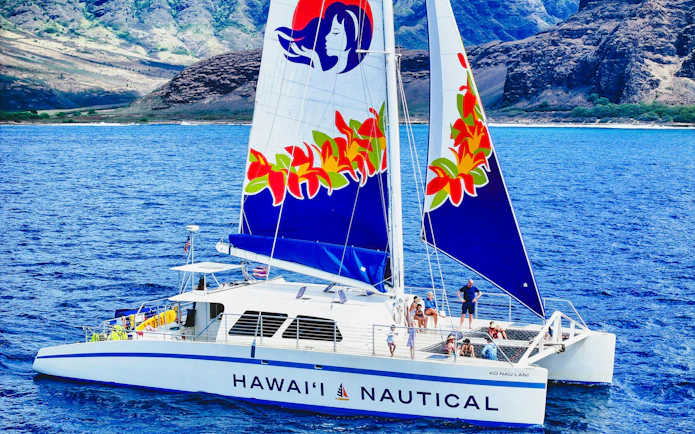
A twin-hulled sailing catamaran from the Waikiki side that balances open-deck fun, moderate group sizes, and a casual, social atmosphere. You’ll motor or sail past the skyline and Diamond Head while scanning for spouts, often with music and an onboard bar rather than structured lectures. It’s more relaxed and atmospheric than a raft, yet closer to the water and less formal than a large ship. Choose this if you want scenic sailing with whales as a central highlight but not the only focus.

  • Departure point: Kewalo Basin or directly off Waikiki Beach; usually no hotel transfers
  • Vessel: Sailing catamaran with trampolines, partial shade, and rail-side viewing all around
  • Duration: Roughly 1.5–2 hours on the water, depending on departure time and wind
  • Group size / privacy: Medium-sized shared group, often capped around 25–50 passengers
  • Guide format: Casual crew commentary when whales appear; less formal, more social vibe
  • Pace / comfort: Laid-back; some motion but generally smoother than small monohull boats
  • Includes: Soft drinks; often open bar or drink tickets, basic snacks on some departures

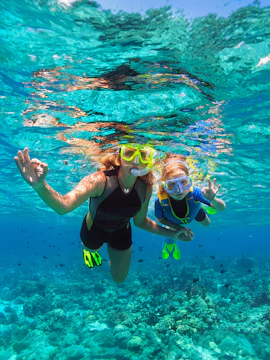
West Oahu Whale Watch + Snorkel Combo

A longer, activity-heavy trip from West Oahu that spreads your time between whale searching, coastal cruising, and a guided snorkel stop. You’re hedging against quiet whale days by guaranteeing in-water reef time with fish and sometimes turtles, while still spending meaningful time scanning for spouts. The pace is more active, with gear fitting and water entries, and the vessel is usually mid-sized. Choose this if you want a single, fuller ocean adventure rather than a short, whale-only outing.

  • Departure point: Ko Olina Marina on Oahu’s west coast; resort shuttles or short walk from hotels
  • Vessel: Mid-sized power catamaran or tour vessel with snorkel platform and shaded seating
  • Duration: About 3–5 hours total, including snorkel stop and whale-searching segments
  • Group size / privacy: Small to medium shared group; more space than large ships, not private
  • Guide format: Crew-led briefings, wildlife commentary, and in-water snorkel guidance where offered
  • Pace / comfort: Moderately active; mix of cruising, gearing up, swimming, and onboard relaxation
  • Includes: Snorkel gear, flotation, drinks and snacks or light lunch on many departures

Whale sightings & season in Oahu

Best time to go: The dependable Oahu whale season runs from mid-December to mid-April, with January, February, and early March as the clear peak when most humpback whales are breeding in Hawaiian waters. December and late March–early April are shoulder months: tours still run and sightings are possible, but numbers are thinner and results more variable. Outside this winter window, dedicated whale-watching cruises generally do not operate.

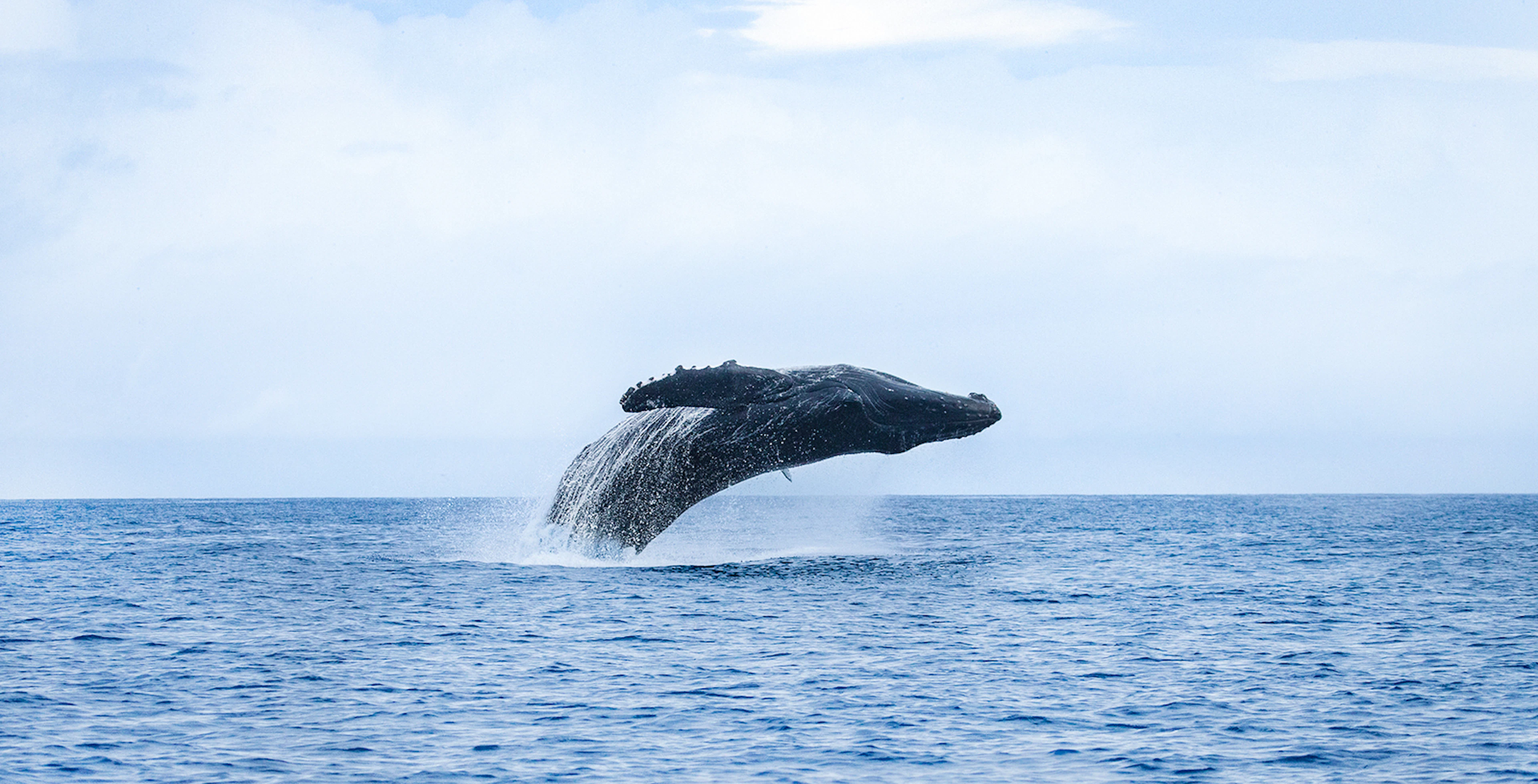
What you're likely to see: Humpback whales are the focus and are common in peak season, but Oahu’s encounters are typically fewer and more distant than Maui’s. Spinner dolphins are frequent on west-side and some North Shore routes. Green sea turtles, flying fish, and seabirds such as tropicbirds and shearwaters are occasional extras. Very rarely, other whale or dolphin species transit through and should be considered a bonus, not an expectation. Some operators offer a free re-ride if no whales are seen. Sightings are never guaranteed, but operators are good at finding them in season.

Responsible whale watching: A must-do

Whale watching off O‘ahu operates under U.S. federal and Hawaii state marine wildlife regulations, which all tours on this page follow.

  • Low-impact vessels: Operators use Coast Guard-approved tour boats and sailing catamarans, minimizing underwater noise and wake around whales.
  • Regulated approach distance: Captains keep at least 100 yards (~91 m) from humpback whales, slowing or idling well before that boundary.
  • No pursuit policy: If whales move away or dive, boats hold course or drift rather than following or circling them.
  • Controlled congregation: Crews coordinate by radio so only a limited number of vessels operate near the same whale group at once.

NOAA and the Hawaiian Islands Humpback Whale National Marine Sanctuary have guided these standard practices for decades.

What a whale watching day looks like in Oahu

Board at the harbor

Arrive at Honolulu, Ko Olina, or Haleiwa harbor and check in, then walk down the dock past other boats to your catamaran or tour vessel. Crew greet, go over safety, and everyone spreads out on open decks and shaded benches.

What to expect from the conditions

  • Climate and wind: Winter air feels warm (around 75°F/24°C) but wind and sea spray can feel cooler offshore, so bring light layers.
  • Sea conditions: Swell and trade winds can make the ride bumpy, especially on small rafts; consider a larger vessel and motion-sickness meds.
  • Daylight and visibility: Tours run fully in daylight, but glare and passing showers can affect how easily you spot distant blows; sunglasses help.
  • Sightings reality: Even in peak season, whales may be few or far and sometimes not appear at all; guarantees usually mean free re-rides, not refunds.

A larger, multi-deck boat is the easier choice if you’re sensitive to motion or want more comfort.

What to expect from the conditions

Climate and wind

Even in winter, air is 70–80°F (21–27°C), but wind and spray offshore can feel cooler; bring layers and a light shell.

Your whale watching tour boarding points in Oahu

Honolulu Harbor – Aloha Tower

Primary departure point for larger whale-watching ships, beside the Aloha Tower Marketplace and near downtown Honolulu’s waterfront.

Address: Aloha Tower Marketplace, 1 Aloha Tower Dr, Honolulu, HI 96813, USA – View on Google Maps

Getting there:

  • By foot: Around 10–20 minutes’ walk from most downtown Honolulu hotels.
  • By bus: Take TheBus to downtown; walk makai toward Aloha Tower (see thebus.org).
  • By taxi/rideshare: About 10–20 minutes from central Waikiki, traffic dependent.
  • By car: Drive to downtown; follow harbor signs for Aloha Tower Marketplace parking.

Arrival: Get there 30–45 minutes early for parking, check-in, and safety briefing.
Famous for: Historic Aloha Tower and views back toward downtown and Honolulu Harbor.

Kewalo Basin Harbor – Ala Moana area

Busy marina near Ala Moana Park and Ward Village, hub for Waikiki catamarans with Diamond Head views offshore.

Address: 1125 Ala Moana Blvd, Honolulu, HI 96814, USA – View on Google Maps

Getting there:

  • On foot: About 15–25 minutes’ walk from western Waikiki via Ala Moana Boulevard.
  • By bus: Ride TheBus to Ala Moana Blvd/Ward Ave; walk a few minutes toward the harbor.
  • By taxi/rideshare: Typically 10–15 minutes from most Waikiki hotels.
  • By car: Follow Ala Moana Blvd toward Kakaʻako; look for Kewalo Basin Harbor signage.

Arrival: Arrive 30 minutes early to find your slip, complete check-in, and board calmly.
Famous for: Close to Ala Moana Center and sunset views of the Waikiki skyline from offshore.

Ko Olina Marina – West Oahu

Resort-side marina serving Ko Olina hotels (including Disney Aulani), set between landscaped lagoons and the leeward coast.

Address: Ko Olina Marina, 92-100 Waipahe Pl, Kapolei, HI 96707, USA – View on Google Maps

Getting there:

  • On foot: 5–20 minutes’ walk along resort paths from most Ko Olina hotels.
  • By resort shuttle: Many Ko Olina properties run short shuttles direct to the marina.
  • By taxi/rideshare: Around 5–10 minutes from Kapolei; 40–60 minutes from Waikiki.
  • By car: Drive via H-1 West toward Kapolei, then follow signs to Ko Olina and the marina.

Arrival: Plan to be there 30 minutes before departure for parking, waivers, and boarding.
Famous for: Calm resort lagoons nearby and typically drier, sunnier west-side weather.

Haleiwa Harbor – North Shore

Small-boat harbor on the North Shore near Haleiwa town, close to famous surf breaks like Waimea Bay and Banzai Pipeline.

Address: Haleiwa Small Boat Harbor, 66-105 Haleiwa Rd, Haleiwa, HI 96712, USA – View on Google Maps

Getting there:

  • By car: About 1–1.5 hours’ drive from Waikiki via H-1, H-2, and Kamehameha Highway.
  • By taxi/rideshare: Possible from Waikiki/Honolulu, but cost and return availability vary.
  • By bus: TheBus serves Haleiwa town; walk or taxi a short distance to the harbor (see thebus.org).
  • On foot: 10–20 minutes’ walk from central Haleiwa shops and food trucks.

Arrival: Arrive 30–45 minutes early; North Shore traffic and parking can be unpredictable.
Famous for: Laid-back Haleiwa town and easy access to iconic North Shore surf beaches.

Confirm the exact pier, slip number, or boarding zone on your booking confirmation, as several operators may share the same harbor.

Plan your visit

  • Operating season: Main whale season runs roughly December–April, with January–March offering the most consistent sightings.
  • Daily departures: Most tours run morning and mid-day; some add afternoon or sunset departures in peak winter only.
  • Cruise duration: Standard whale-watching cruises last about 2–3 hours dock to dock.
  • Total time needed: Plan 3–4 hours including check-in, boarding, and travel between your hotel and harbor.
  • Conditions by time: Mornings are usually calmer and cooler; afternoons can be windier with choppier seas and more glare.

Tips for the best whale watching trip in Oahu

  • Pick your boat type to match your stomach, not your budget: If you’re motion‑sensitive, choose the big multi‑deck ships from Honolulu or Ko Olina over North Shore rafts.

  • Book a “whales guaranteed” tour early in your stay: Schedule it in your first days so you actually have time to use the free re‑ride if needed.

  • Aim for a morning departure out of Waikiki or Ko Olina: Trade winds are usually lighter then, so the run out past Diamond Head or along the leeward coast feels noticeably smoother.

  • Head straight for the rail when you board large vessels: Pick a spot on the lower or mid deck near the bow or stern so you’re not stuck behind a wall of phones when whales appear.

  • On rafts and small cats, sit toward the back if you’re unsure about motion: You’ll still be close to the water, but you’ll feel less of the pounding than at the bow.

  • Keep voices low and movements calm when the captain kills the engines: On the smaller Oahu boats, everyone can hear blows clearly if the deck stays quiet as whales surface.

  • Use binoculars or a modest zoom lens, especially on Honolulu Harbor departures: With the 100‑yard rule and tall railings, gear helps turn distant splashes into satisfying views and photos.

  • Treat Waikiki catamaran whale sails as a vibe experience, not just wildlife: Relax on the trampolines, enjoy skyline views and open bar so searching between sightings still feels like vacation.

  • From Ko Olina or Haleiwa, enjoy the extra wildlife scanning: Crews on west and North Shore runs often point out spinner dolphins and seabirds while you’re transiting through prime channels.

  • Chat with the naturalist or crew on the way back in: Oahu guides love sharing migration stories and local koholā lore, and smaller‑group trips practically turn into a private Q&A.

Frequently asked questions about whale watching tours in Oahu

  • Most dedicated whale watching cruises on Oahu last about 2–3 hours on the water. You should also allow 30–45 minutes before departure for check-in and boarding, plus travel time to the harbor, so plan on blocking roughly 3–4 hours door-to-door for a standard tour.

We've served 52 million+ guests and we are here for you

52 million+

Happy customers across 10,000+ experiences

In the media

Featured and recommended by the best brands

24 x 7 help center

Have a question? Live chat with local experts anywhere, anytime