



-
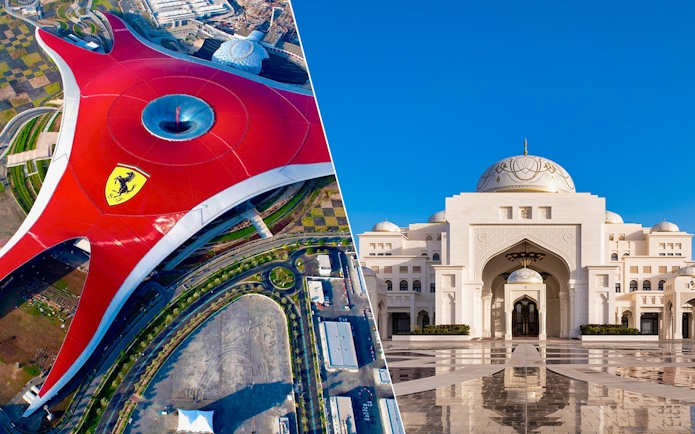
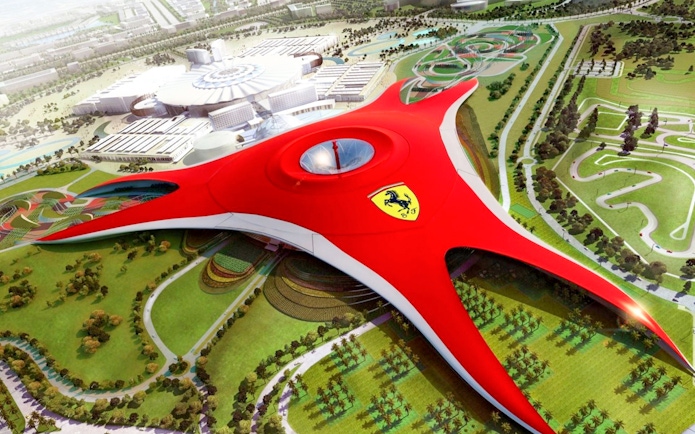
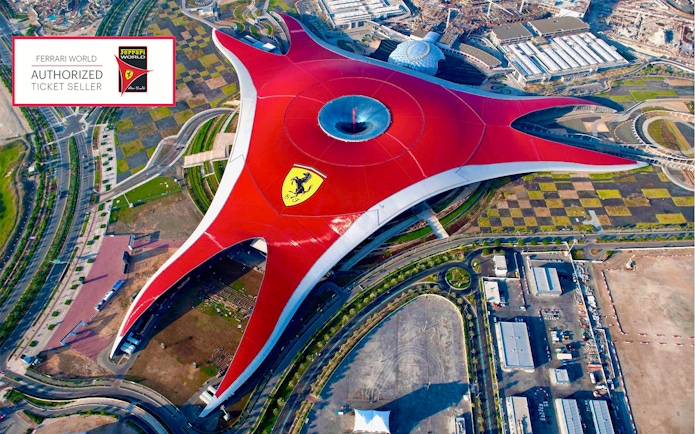
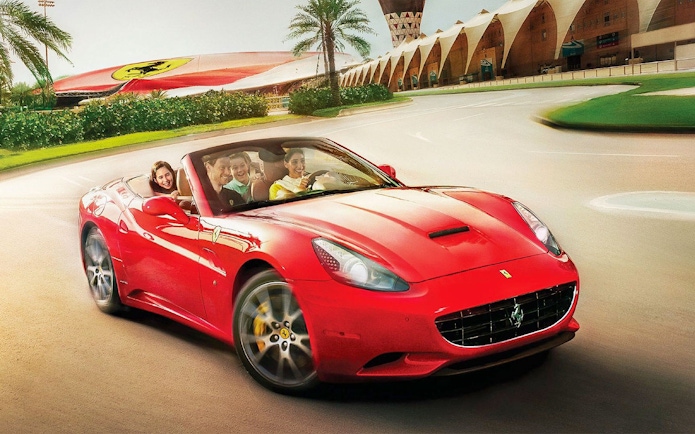
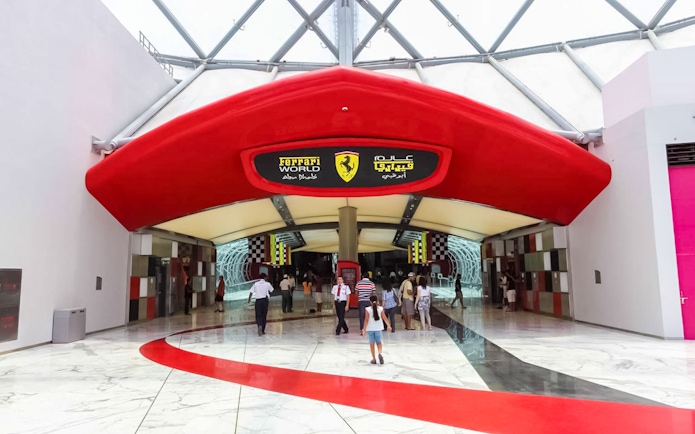
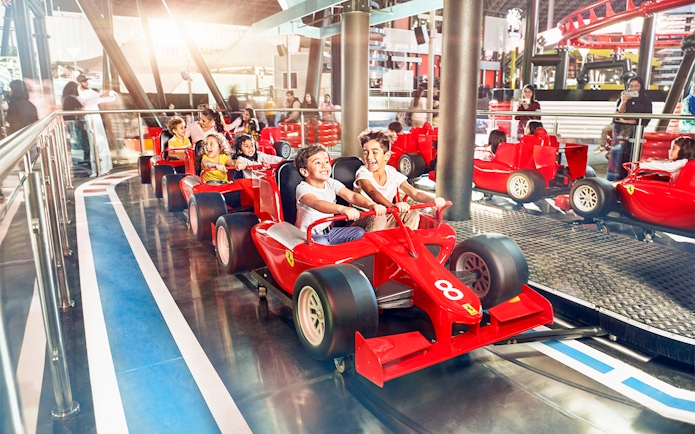
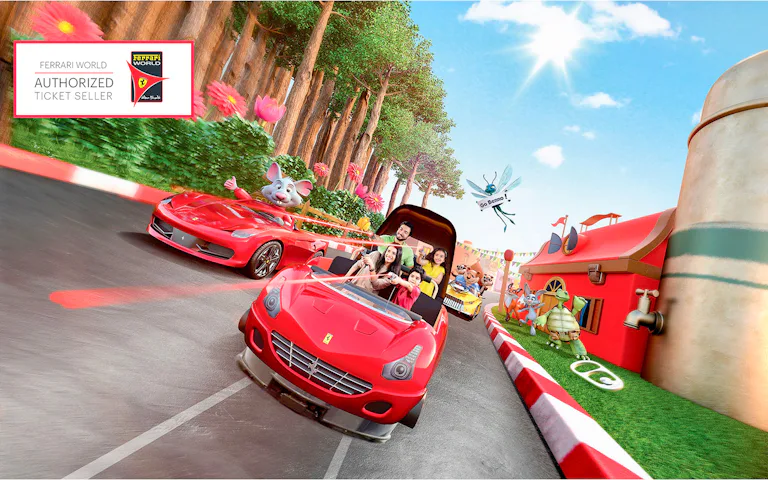
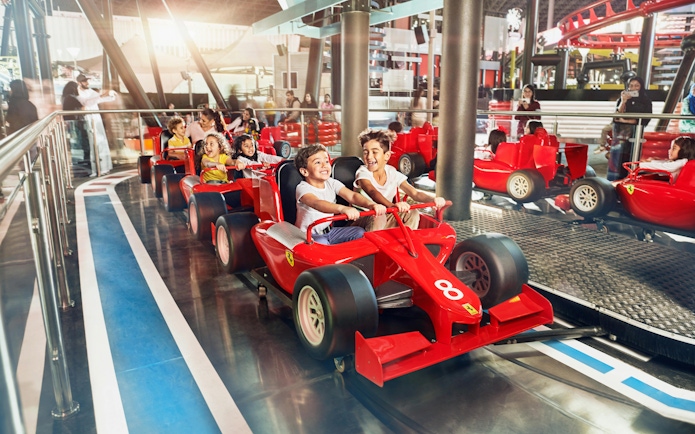
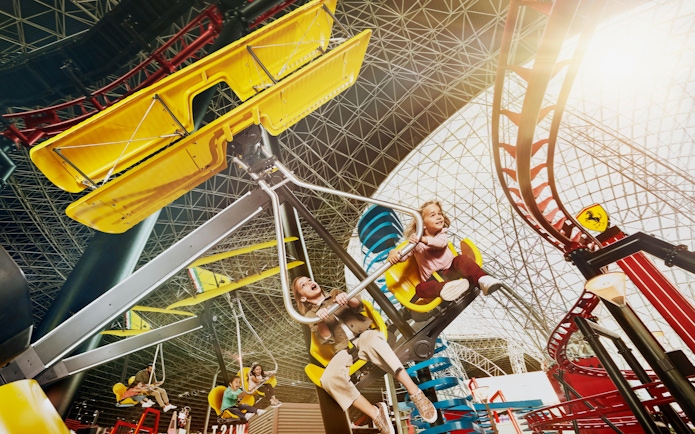
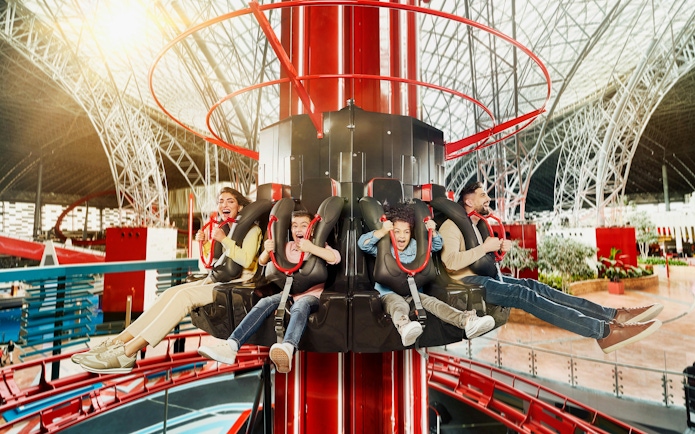
Get flexible entry to Ferrari World Abu Dhabi and race through 44+ thrilling rides and attractions.
-
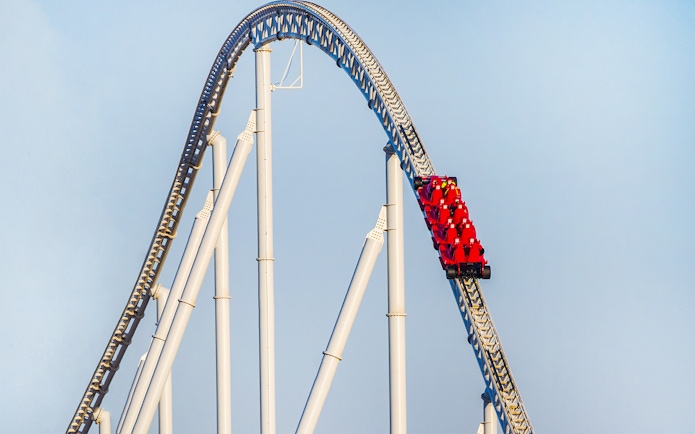
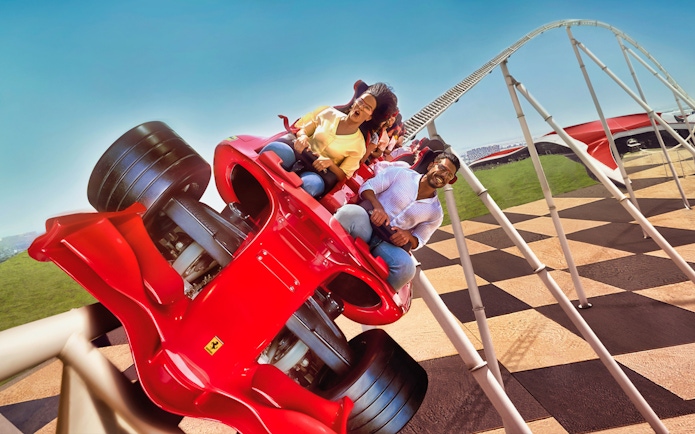
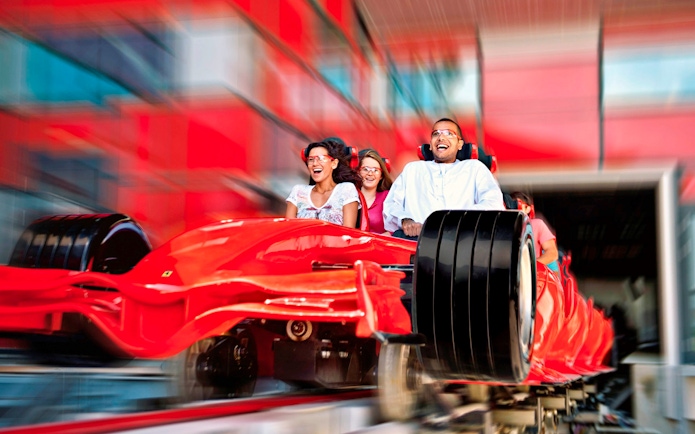
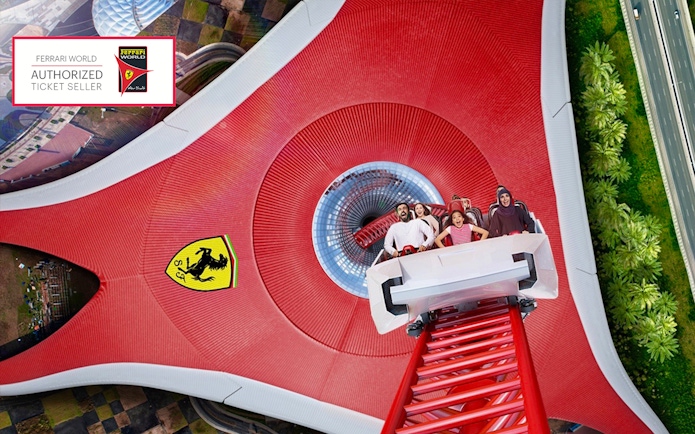
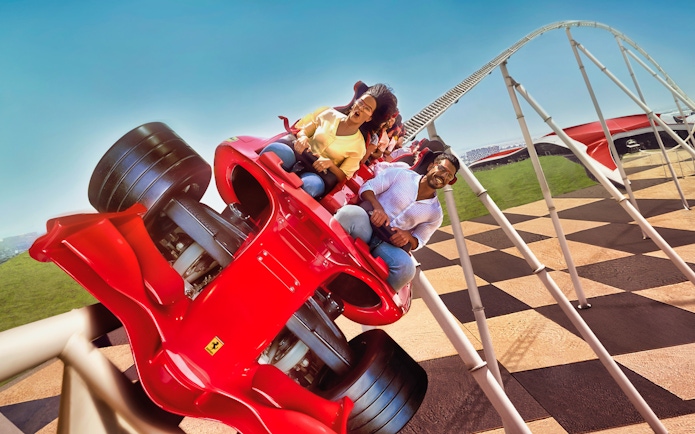
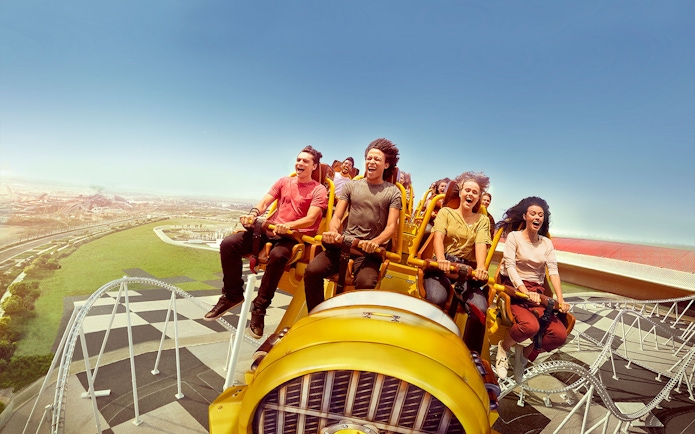
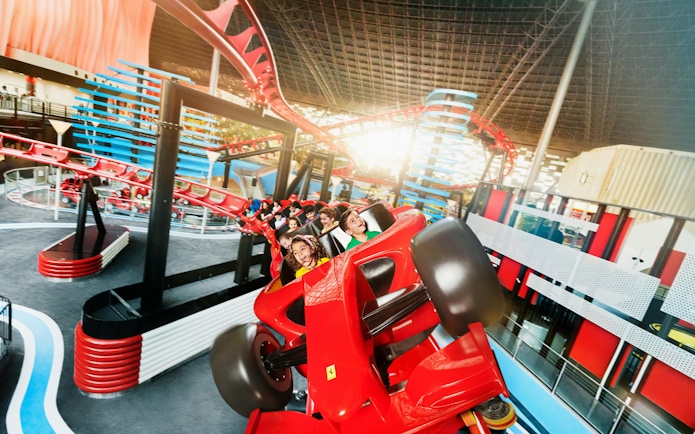
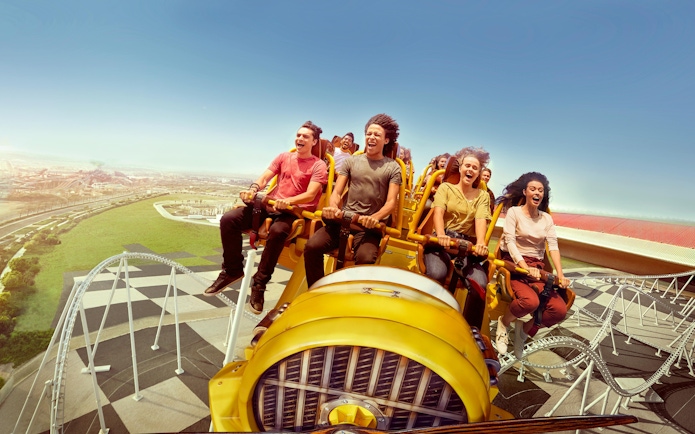
Feel the ultimate adrenaline rush on Formula Rossa, the world’s fastest rollercoaster launch.
-
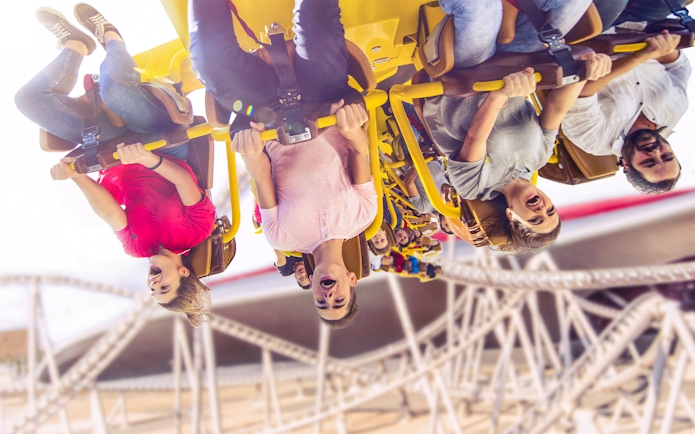
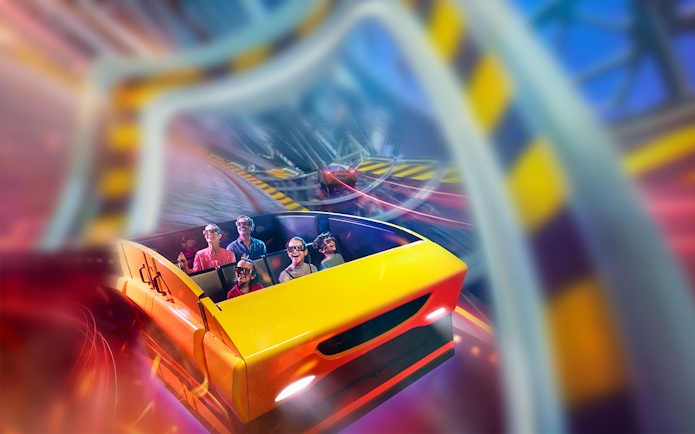
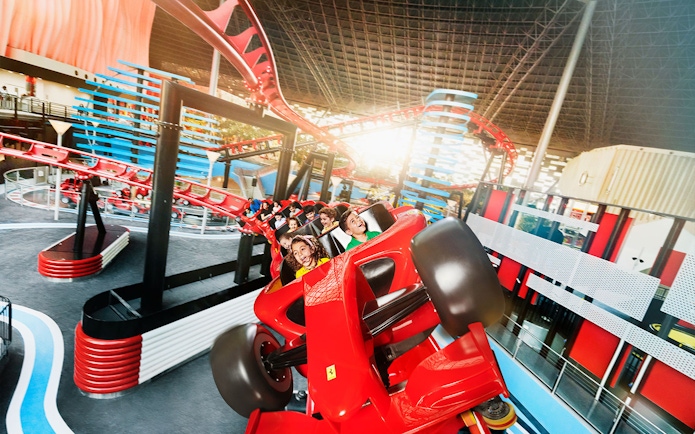
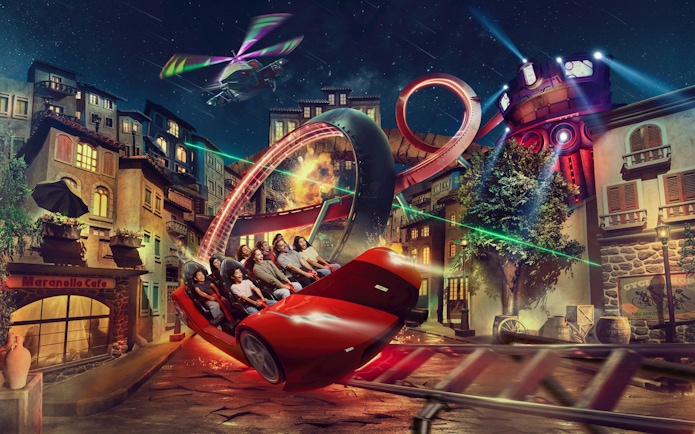
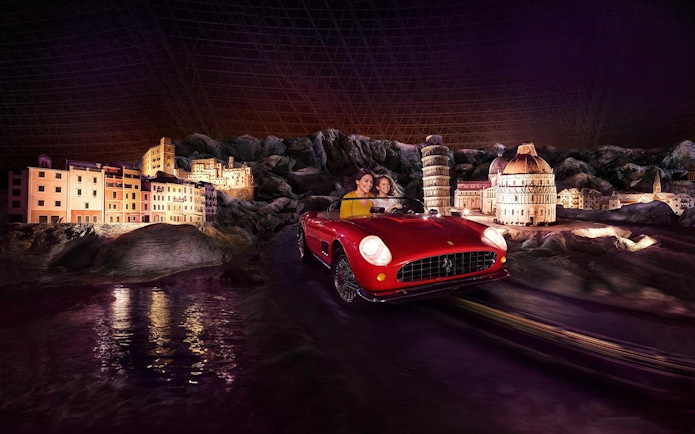
Experience Mission Ferrari, the world's most immersive mega-coaster featuring the world's first sideways drop.
-
Discover the brand-new Ferrari World Esports Arena and race on state-of-the-art F1 and GT simulators.
-
Enjoy hassle-free travel from Dubai with a free shuttle service (subject to availability).
-
Visit during dedicated ladies-only hours on select Thursdays and Fridays, with boys under 9 years also welcome.
-
Get flexible entry to Ferrari World Abu Dhabi and race through 44+ thrilling rides and attractions.
-
Feel the ultimate adrenaline rush on Formula Rossa, the world’s fastest rollercoaster launch.
-
Experience Mission Ferrari, the world's most immersive mega-coaster featuring the world's first sideways drop.
-
Discover the brand-new Ferrari World Esports Arena and race on state-of-the-art F1 and GT simulators.
-
Enjoy hassle-free travel from Dubai with a free shuttle service (subject to availability).
-
Visit during dedicated ladies-only hours on select Thursdays and Fridays, with boys under 9 years also welcome.