


-
Enjoy the attractions of Krakow in this panoramic boat cruise with an audio guide. Arrive at the Podgórze district where your guide will take you on an insightful tour of the former WWII Krakow-Płaszów concentration camp.
-
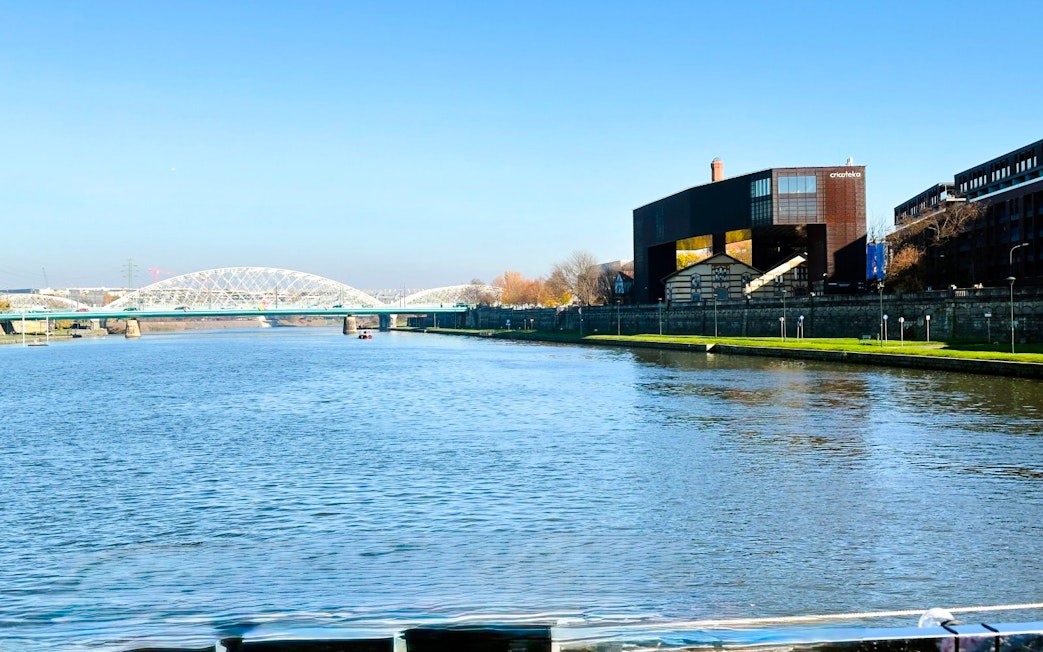
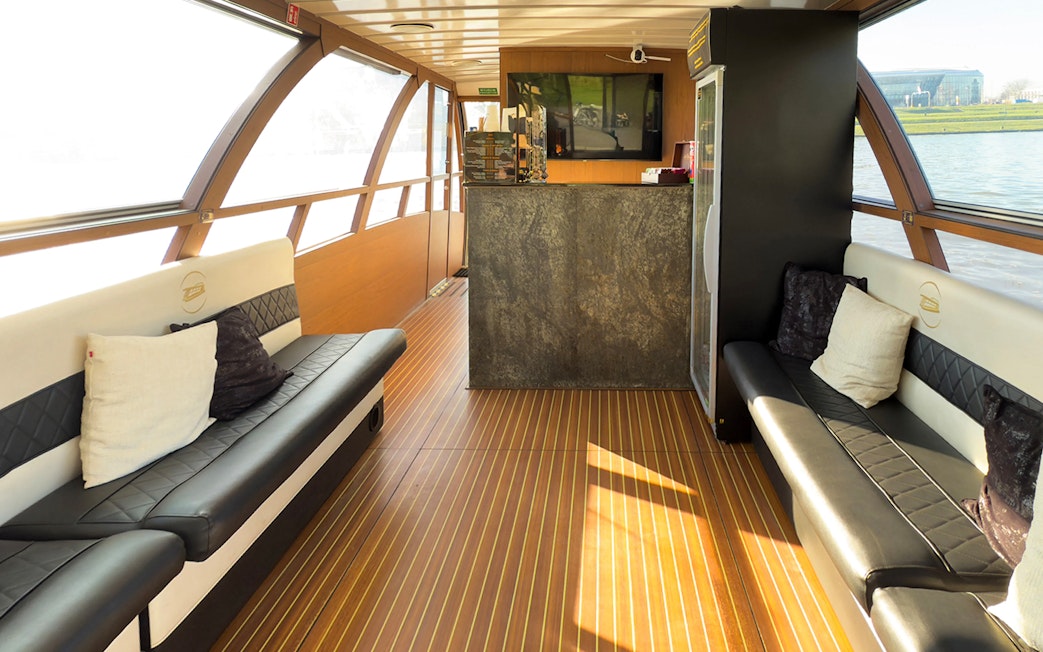
The first part of this tour involves cruising along the Vistula River – the biggest river in Poland. Your catamaran boat has a modern sound system, heated deck and comfortable leather sofas for a comfortable experience at all times – even on cold days.
-
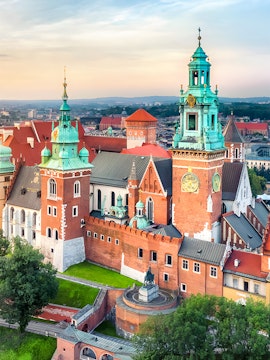
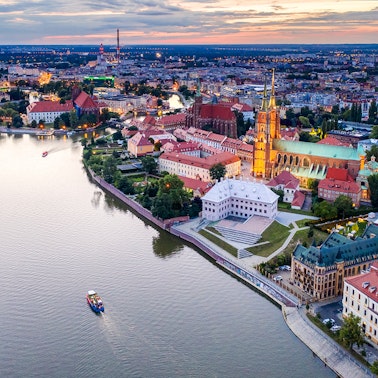
You’ll see the Wawel castle complex that includes the Castle, Cathedral and a legendary fire-breathing statue of a dragon.
-
A UNESCO Heritage site, the Castle is a wonderful mix of different architectural styles like the Cathedral and a beloved gem of Krakow.
-
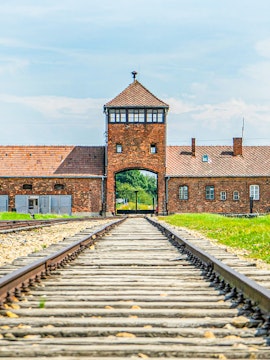
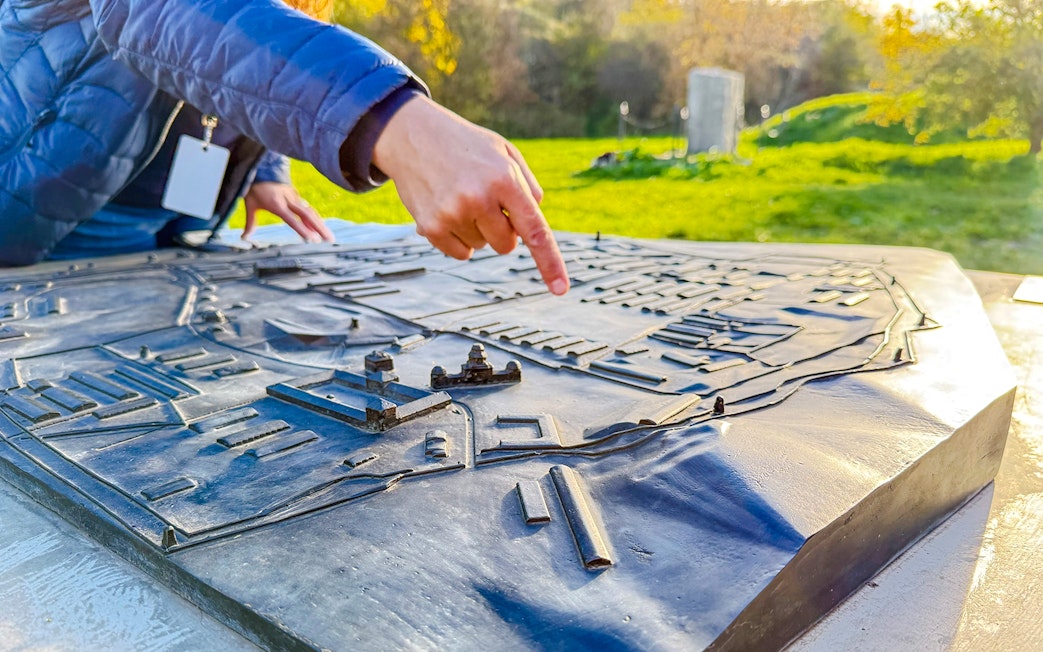
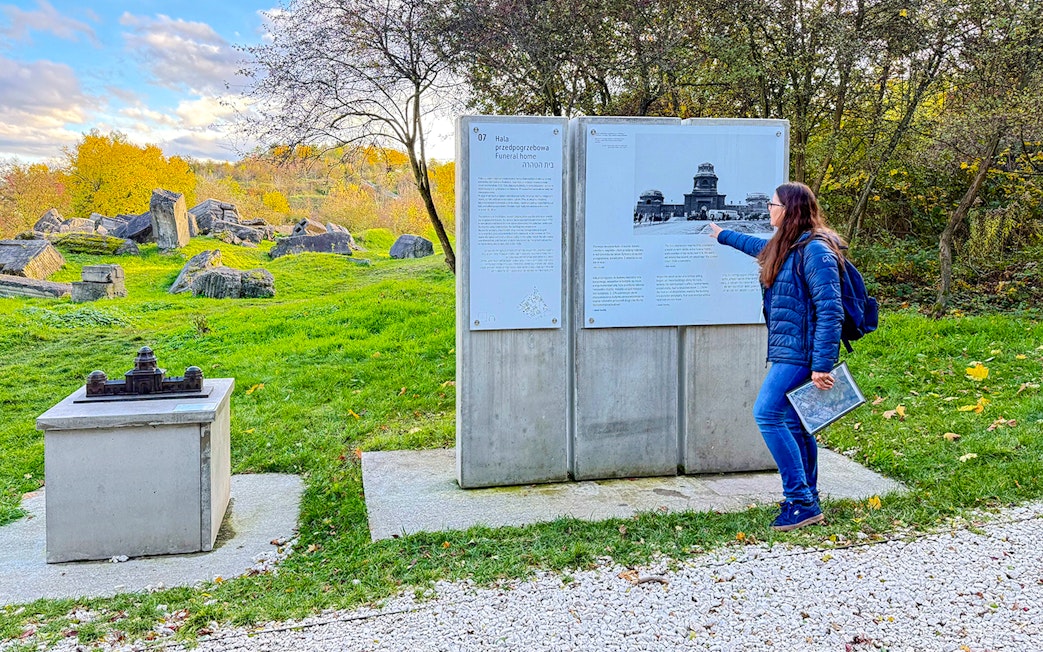
Reach the Krakow-Płaszów concentration camp in the suburbs and meet your guide who’ll educate you about the dark and cruel history of this WWII camp.
-
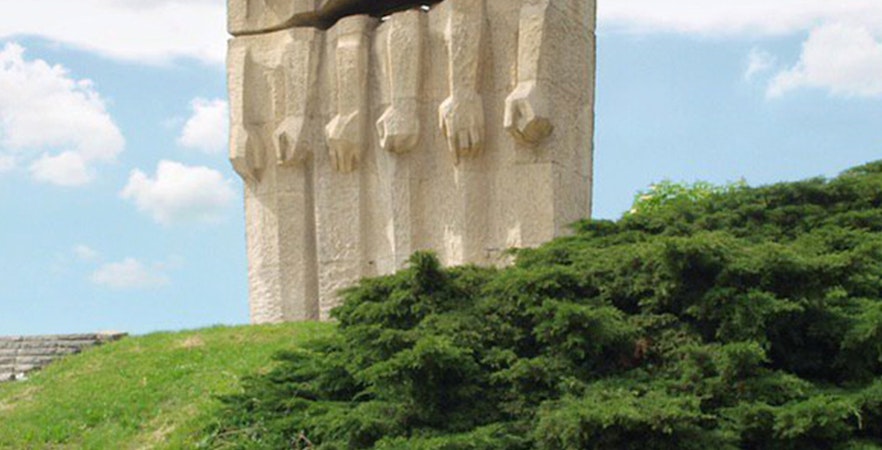
You’ll learn about the hard labor carried out, the deportation of Jews in 1942, and stand in humble respect of the silent monuments – the only parts left of the camp today.
More details
-
Enjoy the attractions of Krakow in this panoramic boat cruise with an audio guide. Arrive at the Podgórze district where your guide will take you on an insightful tour of the former WWII Krakow-Płaszów concentration camp.
-
The first part of this tour involves cruising along the Vistula River – the biggest river in Poland. Your catamaran boat has a modern sound system, heated deck and comfortable leather sofas for a comfortable experience at all times – even on cold days.
-
You’ll see the Wawel castle complex that includes the Castle, Cathedral and a legendary fire-breathing statue of a dragon.
-
A UNESCO Heritage site, the Castle is a wonderful mix of different architectural styles like the Cathedral and a beloved gem of Krakow.
-
Reach the Krakow-Płaszów concentration camp in the suburbs and meet your guide who’ll educate you about the dark and cruel history of this WWII camp.
-
You’ll learn about the hard labor carried out, the deportation of Jews in 1942, and stand in humble respect of the silent monuments – the only parts left of the camp today.