Duration
Free cancellation
Book now, pay later
Audio guide
-
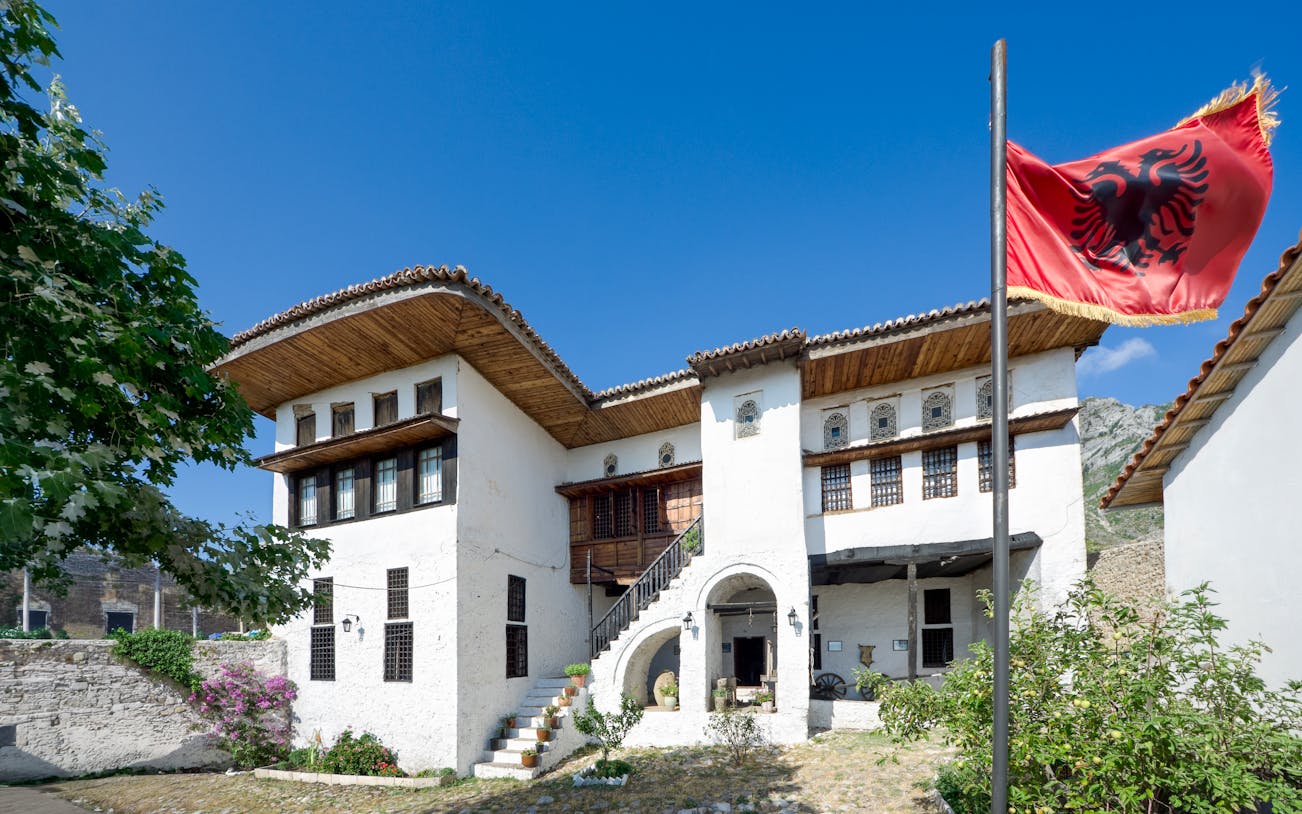
Step inside the Ethnographic Museum of Krujë, housed in a beautifully preserved 18th-century Ottoman residence within the Krujë Castle complex.
-
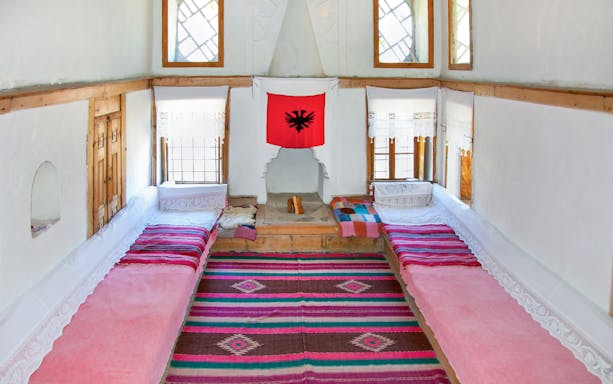
Walk through authentic family living quarters, guest rooms, and the traditional oda (men’s reception room) that recreate how affluent Albanian households once lived.
-
See working areas such as the kitchen, storage rooms, and courtyard spaces, complete with original household tools and daily-use objects.
-
Discover displays of traditional crafts and workshops, including weaving tools and artisan instruments used in local trades.
-
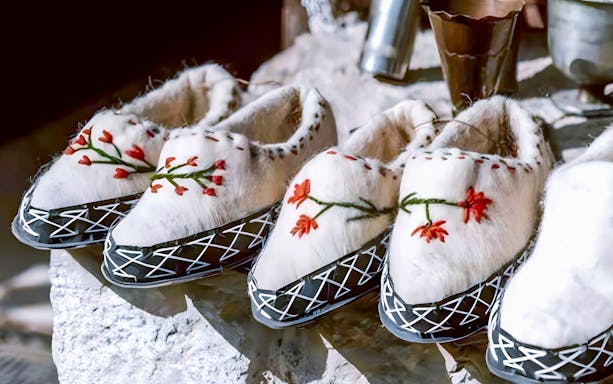
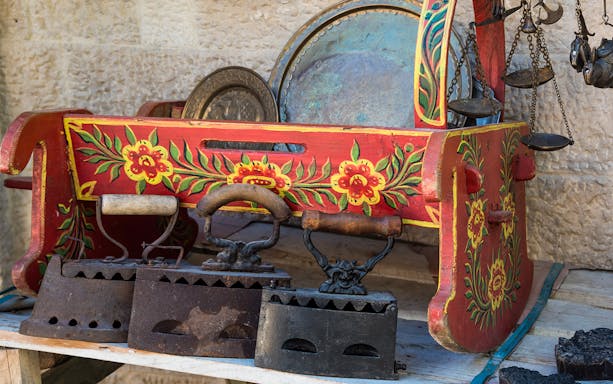
Explore rooms showcasing traditional costumes, copperware, wooden furniture, and handmade household items that highlight Albania’s cultural heritage.
-
Enhance your visit with a multilingual audio guide that explains the history of the house, the exhibits, and the customs of traditional Albanian family life.
-
-
Entry to Ethnographic Museum of Krujë
-
Audio guide in multiple languages (as per option selected)
-
Meeting point: A few blocks away from the Kruja Castle Hammam (GQ4V+JFF, find on maps)
-
You can cancel these tickets up to 24 hours before the experience begins and get a full refund.
Explore traditional Albanian life inside a beautifully preserved Ottoman-era mansion at the Ethnographic Museum of Krujë.
Getting started
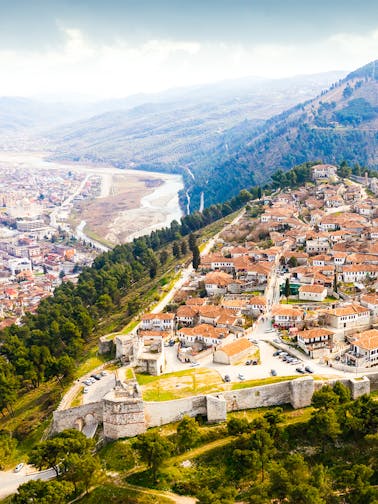
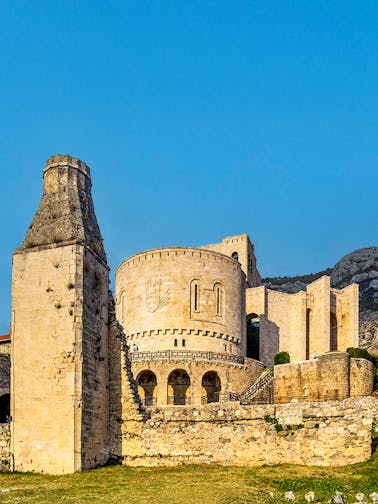
The Ethnographic Museum of Krujë is located within the Krujë Castle complex, a short walk from the Old Bazaar and the Skanderbeg Museum. The museum is housed inside a restored Ottoman-era residence once belonging to the Toptani family, a wealthy local household. Present your ticket at the museum entrance to begin your visit.
The courtyard and entrance spaces
Your visit begins in the stone courtyard, the heart of the traditional house. This open-air space was used for daily household activities such as food preparation, washing, and storage. Surrounding buildings reveal how large Albanian homes were organized, with separate areas for living, working, and hosting guests.
Living quarters and family rooms
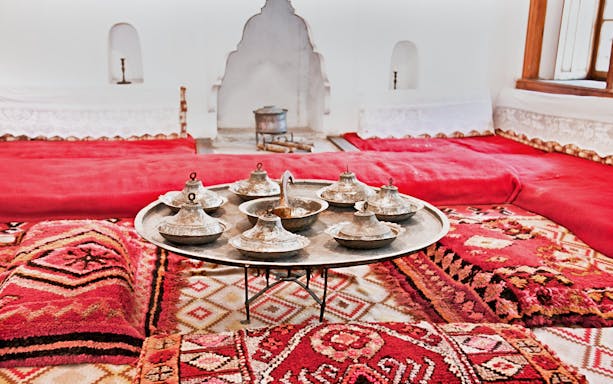
Moving inside, you’ll see the family living spaces, arranged with low seating, wooden chests, carpets, and textiles typical of historic Albanian homes. These rooms recreate the domestic environment where families gathered, ate, and spent their daily lives.
The oda (guest reception room)
One of the most important spaces in the house is the oda, the traditional reception room used to host male guests and conduct social gatherings. Decorated with carved woodwork, cushions, and seating along the walls, this room reflects Albanian traditions of hospitality and community discussions.
Craft workshops and household tools
Several rooms highlight the artisan crafts and domestic work that once took place in the home. You’ll see weaving looms, textile tools, and equipment used for producing clothing and household fabrics. Other displays include copperware, wooden utensils, and storage vessels that were part of everyday life.
Costumes, artifacts, and cultural displays
The final sections of the museum showcase traditional Albanian costumes, jewelry, and handcrafted household items from different regions. These exhibits highlight the artistic traditions, craftsmanship, and cultural practices that shaped everyday life in Albania during the Ottoman period.
What to bring
-
Carry your digital ticket on your phone, as the entry ticket will be sent to your WhatsApp after you complete your booking.
-
Wear comfortable walking shoes, as reaching the museum requires walking through the cobblestone streets of Krujë Castle and the Old Bazaar area.
-
Bring a light jacket or sweater if visiting between October and March, as Krujë’s elevated location can feel cooler than nearby coastal areas.
-
Keep some local currency (Albanian lek) if you plan to purchase small souvenirs, snacks, or handicrafts from nearby bazaar shops after your visit.
What’s not allowed
-
Avoid using flash photography inside the museum, since it may be restricted to protect delicate textiles and artifacts.
-
Large bags or bulky luggage are not recommended, as the museum rooms are relatively small and designed like a traditional family home.
Accessibility
-
The museum is not wheelchair accessible, as it is located inside Krujë Castle and requires navigating steep cobblestone streets and stairs.
-
Visitors with limited mobility may find access challenging, since the museum is housed in a multi-level historic building with narrow staircases between floors.
-
Strollers may also be difficult to use, as the surrounding castle paths and museum interiors are narrow and uneven.
Additional information
-
Try to visit earlier in the day during July and August, when the castle area tends to attract many tour groups and visitors.
-
Allow around 30 to 45 minutes for the visit, depending on how much time you spend exploring the rooms and displays.
-
The museum is housed in a restored 18th-century Ottoman-style residence, providing insight into the lifestyle of affluent Albanian families in the past.
-
Expect to see rooms arranged like a traditional household, with areas showcasing cooking, crafts, family life, and social customs.
-
You can easily combine the visit with a stop at the nearby Old Bazaar, located just below the castle and known for its traditional crafts and handmade goods.
-
- Your voucher will be emailed to you shortly.
- Display the voucher on your mobile phone with a valid photo ID at the starting point.
- Please check your final voucher for the starting point details & specific instructions.
Top things to do in Tirana



Nearby cities to explore


How Headout makes choosing experiences effortless